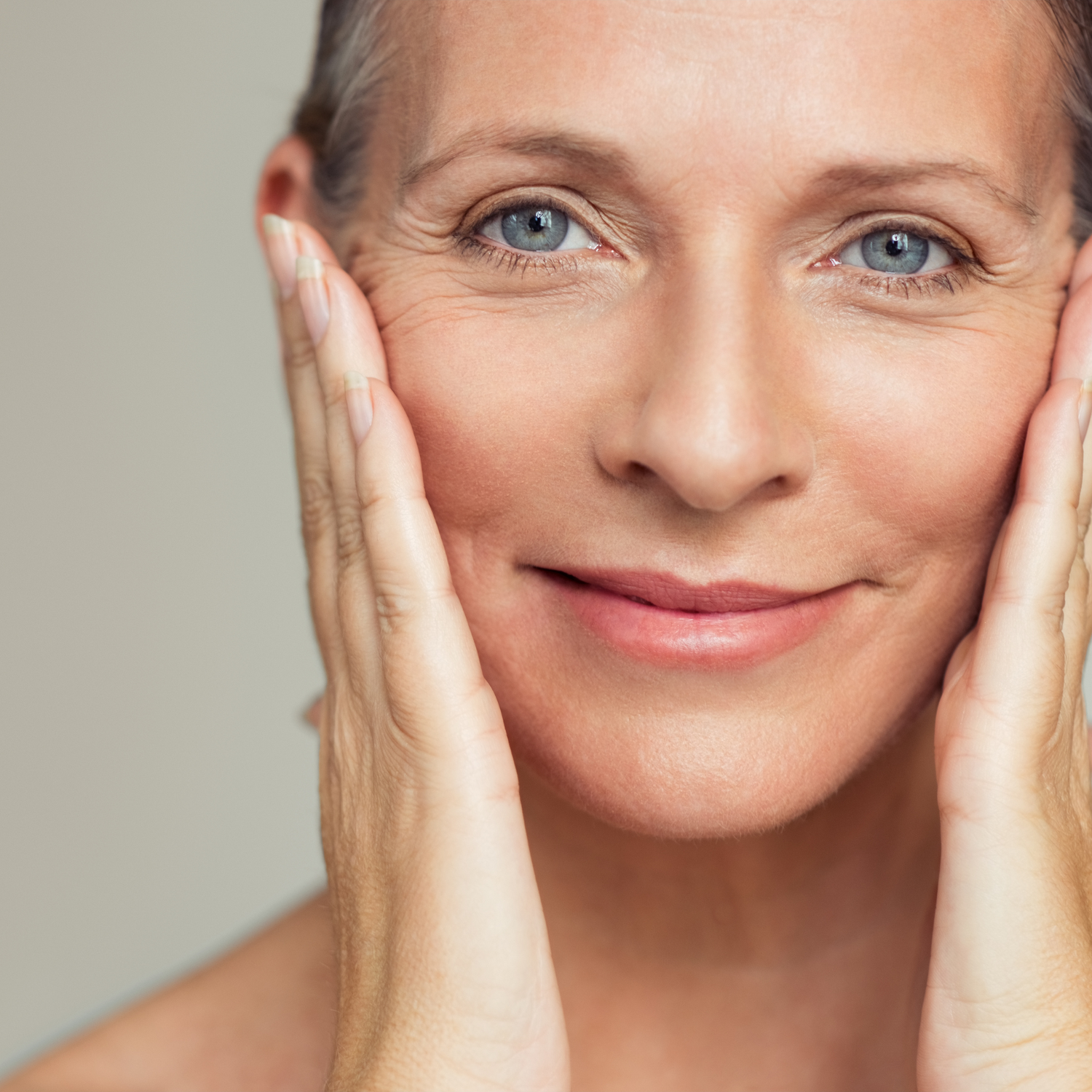
Menopause is a formative stage of life in which your body changes fundamentally – and your skin is often the first organ where you notice these changes. Perhaps you are asking yourself: How does menopause manifest itself? The answer often shows itself first in the mirror: dry skin, new wrinkles, blemishes, or a dull complexion can be typical signs of hormonal skin changes.
In this comprehensive guide, you will learn why menopause causes skin problems on the face, what role declining estrogen levels play, and how you can optimally support your skin in this phase of life. With the right knowledge and targeted measures, you can master the peak of menopause with composure and give your skin what it needs now.
Skin Problems During Menopause
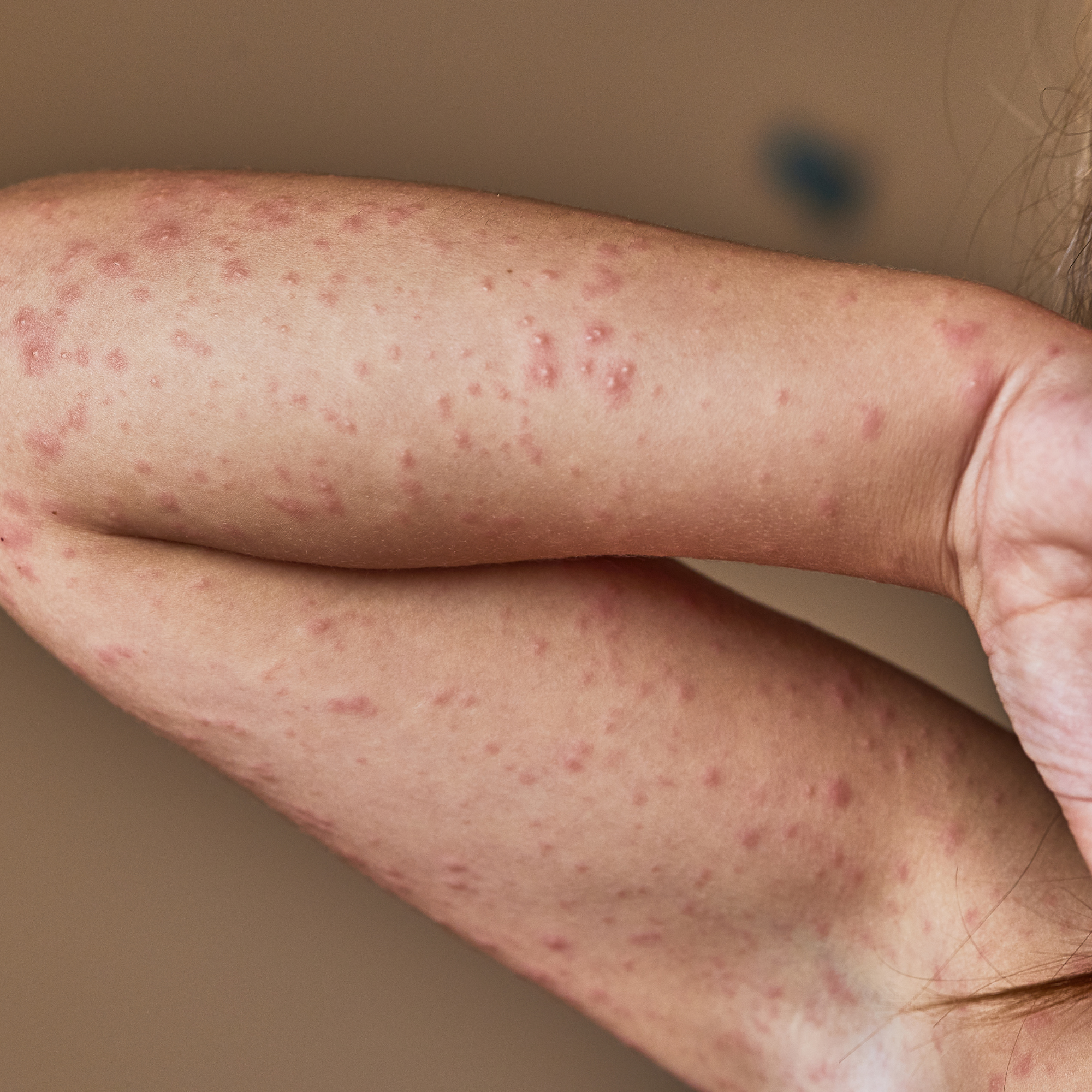
Skin problems during menopause are among the most common complaints women experience. The declining estrogen level triggers a chain reaction that affects your skin on several levels. But which problems occur specifically?
Dry Skin and Impaired Skin Barrier
Estrogen plays a central role in moisture retention in the skin. When the hormone level drops, your skin loses the ability to bind water effectively. The result: your skin feels dry, tight, and can even become scaly. The natural skin barrier – i.e., the protective layer that preserves your skin from external influences – becomes more permeable and susceptible.
Wrinkles and Loss of Elasticity
The decline in collagen production is one of the most visible effects of menopause on your skin. Studies show that women can lose up to 30 percent of their skin collagen in the first five years after menopause. This means: fine lines deepen, the skin texture loses firmness and resilience, and clear changes show especially on the face.
Blemishes and Pimples
It might sound surprising, but skin blemishes and pimples are typical menopausal skin problems on the face. The reason: while the estrogen level drops, the male hormones (androgens) remain relatively constant. This imbalance can stimulate sebum production and lead to clogged pores and blemishes – similar to puberty.
Pigment Spots and Uneven Complexion
Hormonal fluctuations can also influence melanin production. This creates pigment spots, age spots, or an overall uneven complexion. Especially in areas frequently exposed to the sun, these discolorations can show.
Increased Sensitivity
Your skin often reacts more sensitively to external stimuli during menopause. Redness, irritation, and itching occur more frequently because the skin's natural defense mechanisms are weakened. Hot flashes – one of the best-known symptoms of menopause – can also additionally stress the skin.

Understanding Hormonal Skin Changes
To treat skin problems during menopause in a targeted manner, it is important to understand the hormonal connections. What exactly happens in your body, and why does the skin react so sensitively to it?
The Role of Estrogen for Your Skin
Estrogen is far more than a reproductive hormone. It is a true all-rounder for your skin:
- Collagen production: Estrogen stimulates the formation of collagen fibers that give your skin structure and firmness.
- Moisture retention: It promotes the production of hyaluronic acid, which binds water in the skin and keeps it plump and supple.
- Skin renewal: Estrogen accelerates cell division and ensures that your skin renews itself regularly.
- Protective function: It strengthens the skin barrier and protects against harmful environmental influences.
If you want to learn more about the effects of an estrogen deficiency on your entire body, you will find all important information in our detailed guide.
Progesterone and Androgens
Besides estrogen, other hormones play a role in hormonal skin changes. Progesterone influences sebum production and can lead to oilier or more impure skin in case of imbalance. The relatively increased effect of androgens – since their antagonist estrogen decreases – can additionally lead to increased sebum formation, hair loss on the head, or unwanted hair growth on the face.
The Peak of Menopause
The peak of menopause is perimenopause, the phase directly before and after the last menstrual period. During this time, hormonal fluctuations are strongest, and skin changes can be particularly pronounced. Perimenopause begins for most women between 45 and 55 years of age and can last several years.
During this phase, symptoms can intensify: hot flashes, mood swings, and sleep problems occur together with skin changes. If you suffer from sleep problems during menopause, this can also worsen your skin condition – because your skin regenerates during sleep.
Menopause Hormones Through the Skin
An exciting aspect is that menopause hormones can be absorbed through the skin. Bioidentical hormone creams are used as transdermal therapy, where estrogen or progesterone reach the bloodstream through the skin. This method is recommended by some doctors as an alternative to oral hormones because it bypasses the gastrointestinal tract. Always discuss this option with your doctor to make the right decision for you.

When Do Women Age Visibly?
The question "When do women age visibly?" occupies many women. The answer is multi-layered, because visible aging is an individual process that depends on numerous factors.
The Biological Clock of the Skin
Basically, skin aging begins in the mid-20s – from this age on, collagen production decreases by about one percent annually. But this process initially runs so slowly that it is barely noticeable. Skin aging becomes visible for most women between 35 and 40 years of age, when the first fine lines appear around the eyes and on the forehead.
The Acceleration Effect of Menopause
The decisive turning point comes with menopause. While skin aging previously proceeded slowly and steadily, the rapid drop in estrogen accelerates the process significantly. Research results show:
- In the first five years of menopause, skin thickness decreases by up to 1.13 percent per year.
- The collagen content drops in this period by about 2.1 percent annually.
- Skin elasticity decreases significantly, which leads to increased wrinkle formation.
This means: women do not age linearly, but experience a distinct push of visible skin aging during menopause. The good news: with the right care and a healthy lifestyle, you can counteract this process.
Individual Factors
When you age visibly depends, besides hormones, also on other factors:
- Genetics: Your genes significantly determine how fast your skin ages.
- Sun protection: UV radiation is responsible for up to 80 percent of premature skin aging.
- Nutrition: An antioxidant-rich diet can slow down the aging process.
- Lifestyle: Smoking, alcohol, and stress accelerate skin aging significantly.
- Sleep quality: Chronic sleep deprivation shows directly in the skin appearance.

The Best Facial Care During Menopause
When you are looking for the best face cream during menopause, the answer is: it is not about a single product, but a well-thought-out, minimalist skincare routine tailored to your skin's changed needs.
Cleansing – Gentle but Thorough
Start morning and night with a mild cleanser. Avoid aggressive cleansing products that further attack your skin's already weakened acid mantle. Rely on gentle, pH-neutral cleansers that remove dirt and excess sebum without drying out the skin.
Moisturizing Care – The Most Important Step
During menopause, intensive moisturizing care is indispensable. Pay attention to the following active ingredients when choosing your skincare products:
- Hyaluronic Acid: Binds large amounts of water and plumps up the skin from within.
- Ceramides: Strengthen the skin barrier and prevent moisture loss.
- Niacinamide (Vitamin B3): Improves the skin barrier, reduces redness, and refines pores.
- Squalane: A natural moisturizer that supports the skin barrier.
Active Ingredient Care – Specifically Against Skin Aging
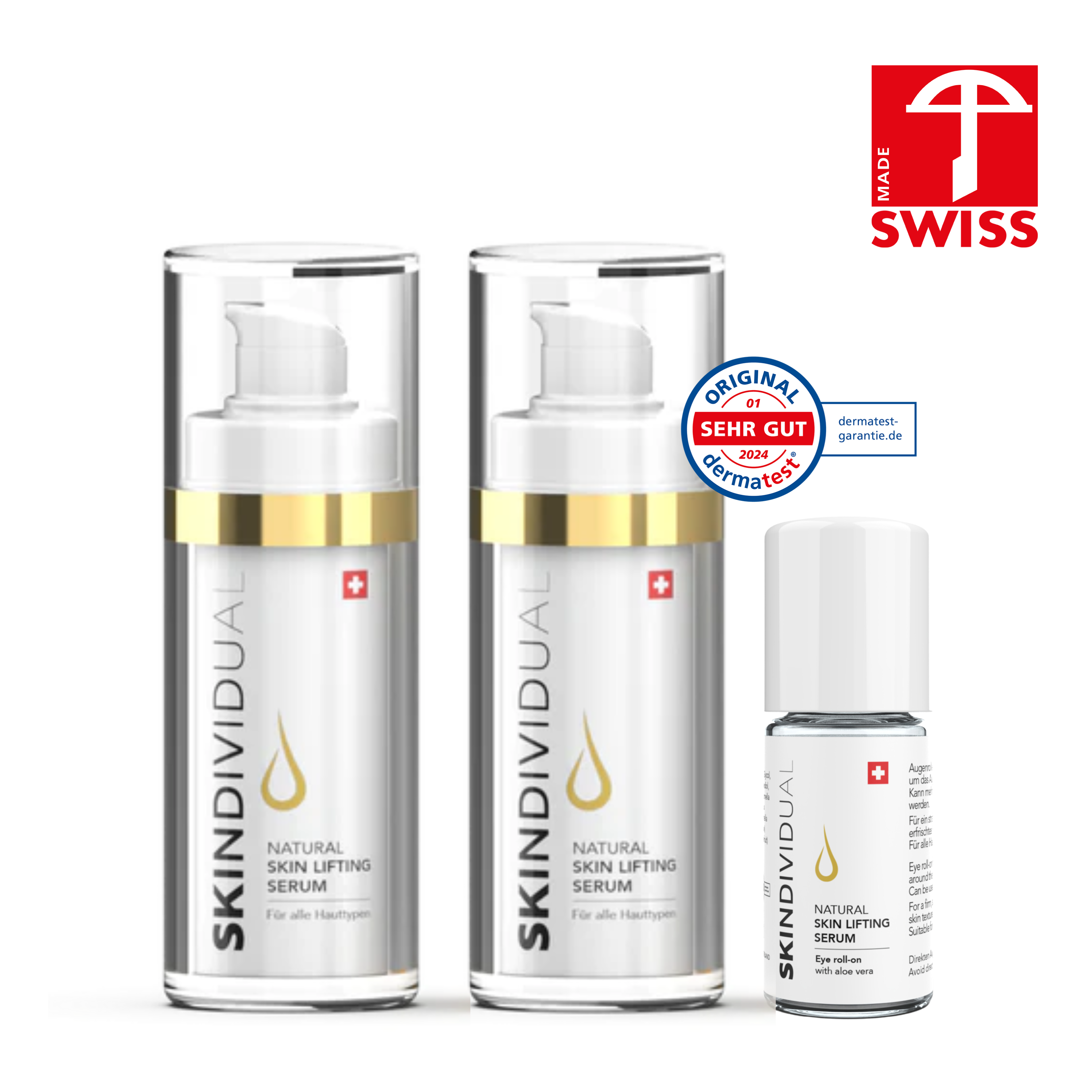
A high-quality serum can make the difference. The Natural Skin Lifting Serum from SKINDIVIDUAL supports the building of collagen and increases your skin's moisture content – with 100 percent natural ingredients and without unnecessary chemicals. Exactly what mature skin needs during menopause.
Further effective active ingredients for the best face cream during menopause:
- Retinol (Vitamin A): Stimulates collagen production and accelerates cell renewal.
- Vitamin C: A strong antioxidant that protects against free radicals and brightens pigment spots.
- Peptides: Signal the skin to produce more collagen and elastin.
Sun Protection – Indispensable at Any Age
Consistent UV protection is the most effective anti-aging protection of all. Apply daily sun protection with at least SPF 30, even on cloudy days. Your facial care after 50 is only as good as your UV protection.
Nutrition as Skincare from Within
The best facial care begins on the plate. These nutrients support your skin from within:
- Omega-3 fatty acids: Found in fish, flaxseeds, and walnuts, they inhibit inflammation and strengthen the skin barrier.
- Antioxidants: Berries, green tea, dark chocolate, and colorful vegetables protect against free radicals.
- Vitamin C and E: Promote collagen production and protect cells.
- Zinc and Selenium: Important trace elements for skin renewal and cell protection.
- Phytoestrogens: Contained in soy, flaxseeds, and red clover, they can partially compensate for the estrogen deficiency naturally.

Other Menopause Symptoms Affecting Your Skin
Skin problems during menopause rarely occur in isolation. Frequently, they are accompanied by other complaints that can reinforce each other:
- Hot flashes: Sudden heat waves dilate blood vessels and can lead to redness, rosacea, and dilated capillaries on the face.
- Sleep disorders: If you sleep poorly, your skin lacks important regeneration time. Dark circles and a dull complexion are the consequence. Our article on sleep problems during menopause gives you helpful tips.
- Hair loss: Hair is also affected by hormonal changes. Thinning hair and increased hair loss are common side effects. Learn more about the best remedy for hair loss during menopause.
- Mood swings: Stress and emotional burdens can influence skin health directly, as stress hormones like cortisol inhibit collagen production.
- Weight gain: Changes in metabolism can also influence skin structure.
Confident Through Menopause – Support Your Skin Naturally
Menopause is no reason for concern – it is a natural stage of life that you can shape actively and confidently. Hormonal skin changes can be significantly mitigated with the right knowledge and a consistent, minimalist skincare routine.
Here once again the most important tips summarized:
- Understand the causes: The more you know about hormonal skin changes, the more targeted you can act.
- Rely on minimalist care: A few high-quality products with scientifically sound active ingredients are more effective than an overloaded routine.
- Protect your skin from the sun: Daily UV protection is the most important anti-aging step.
- Eat skin-consciously: Antioxidants, omega-3 fatty acids, and vitamins support your skin from within.
- Prioritize sleep and stress reduction: Your skin regenerates in sleep – give it this time.
- Stay active: Regular exercise promotes circulation and oxygen supply to your skin.
Your skin changes during menopause – but with the right support, you can keep it healthy, radiant, and well-cared for. Rely on proven, natural approaches that bring science and nature into harmony.
Do you have questions about your skincare during menopause? The SKINDIVIDUAL team will be happy to advise you individually – because every skin is unique.