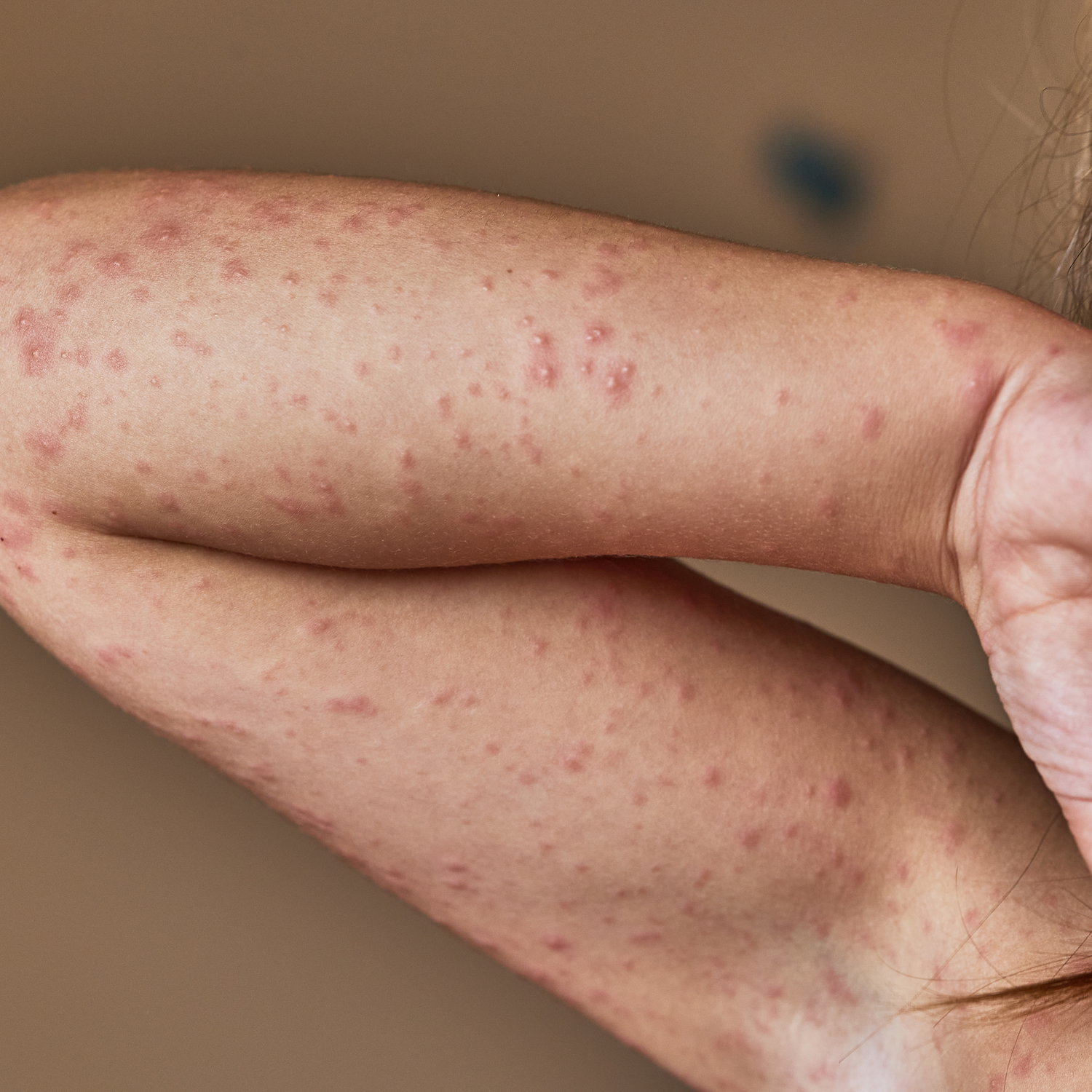
Allergic reactions on the face can be very distressing and become a real problem. A suddenly occurring skin rash in the sensitive facial area, combined with redness, wheals, and itching, not only affects the external appearance but often also causes pain and a burning sensation. Especially the eye area, where the skin is particularly thin and sensitive, often burns and itches particularly strongly. In this comprehensive article, you will learn what causes an allergic skin reaction on the face, how to recognize an allergic skin rash, and what you can do to alleviate the symptoms and prevent allergic skin reactions in the future.
What Is an Allergic Reaction on the Face?
An allergic reaction on the face is a hypersensitivity reaction of the immune system to actually harmless substances (allergens). The body mistakenly recognizes the allergen as dangerous as soon as it comes into contact with the skin – for example on the face. Thereupon, the immune system releases messenger substances like histamine and leukotrienes, which lead to an inflammatory reaction of the skin. Typical signs of an allergic skin reaction are:
- Allergic skin rash: Redness, spots, or large-scale swelling
- Wheals and blisters: Small raised pustules, similar to a nettle rash
- Itching and burning: Intense, especially around eyes and lips
- Swelling: Especially in the area of eyelids or lips
- Dry, scaly skin areas or eczema
This allergic reaction of the skin can occur acutely within minutes to hours (Type I reaction) or only become noticeable with a delay of several days (Type IV contact allergy). It is important: the faster you recognize and avoid the trigger, the more quickly the symptoms subside.
Recognizing Allergic Skin Rash: How to Distinguish the Forms
Recognizing an allergic skin rash on the face is the first step to correct treatment. Not every redness is immediately an allergy – but certain features help you to distinguish a skin rash due to allergy from other skin problems.
Typical Features of an Allergic Skin Rash
- Sudden occurrence: The skin rash often appears within minutes to a few hours after contact with the allergen.
- Symmetrical distribution: Allergic reactions often affect both sides of the face evenly.
- Itching as a lead symptom: Unlike bacterial infections, with an allergic skin rash, itching is almost always in the foreground.
- Recurring pattern: The rash occurs again and again when you come into contact with the same allergen.
Differentiation from Other Skin Diseases
An allergic skin rash on the face can easily be confused with other skin problems. Rosacea also shows redness, but primarily in the area of cheeks and nose, and typically reacts to temperature changes. Perioral dermatitis shows as a rash around the mouth and is often triggered by over-care. Neurodermatitis can look similar but is a chronic disease with a genetic component. If you are unsure, a visit to the dermatologist is worth it.
Common Triggers for an Allergic Reaction on the Face
There are a multitude of allergens that can trigger an allergic skin reaction on the face. Here is an overview of the most important groups.
Skincare and Cosmetic Products
- Preservatives and fragrances or aggressive surfactants in creams, serums, and cleansing products can lead to an allergic skin rash on the face that resembles contact eczema.
- Especially the eye and nose area often reacts with allergic skin reactions.
Tip: Use pH-neutral, hypoallergenic products without parabens and silicones. Make sure to always test new products on a small skin area first.
Food Allergies and Nutrition
- Nuts, milk, seafood, and other common food allergens can trigger systemic skin reactions that also show on the face.
- Histamine-rich foods (e.g., wine, aged cheese) can worsen existing skin reactions.
- Typical symptoms: facial redness, itchy skin rash, sometimes swelling of lips and eyes.
Clothing, Detergents, and Environmental Factors
- Detergent residues in textiles (clothing, pillowcases) can trigger a contact allergy when applied to the face and neck.
- Fabric softeners with fragrances or excess dyes are common allergens.
- Clothing made of wool or synthetic fibers can weaken the skin barrier through mechanical stimuli.
Jewelry and Metals
- Nickel, cobalt, or chromium in necklaces, earrings, or eyeglass frames can trigger a contact allergy on the face.
- Often the reaction shows exactly where the metal touches the skin: on the ears, the cheeks, or the bridge of the nose. Not everyone tolerates, for example, fake jewelry.
UV Radiation and Sun Allergy
UV radiation can evoke two types of skin reactions on the face:
Polymorphous Light Eruption (Sun Allergy): Itchy, red spots or papules on forehead, cheeks, and bridge of the nose, usually 6–24 hours after sun exposure.
Photoallergic Reaction: UV-A changes fragrances or preservatives in creams into new allergens, which delayed-on leads to wheals and burning.
Bacteria and Microbial Imbalance
Allergic skin reactions on the face can also be triggered indirectly by bacteria. Particularly relevant are:
Staphylococcus aureus: It is frequently found on irritated or dry skin. The exotoxins produced by S. aureus act like superantigens and can massively reinforce the atopic inflammation of the skin.
Malassezia fungi: These yeasts are part of normal skin flora, but can act allergenically on damaged facial skin and lead to seborrheic eczema.
Cutibacterium acnes: Its metabolic products and inflammatory mediators can lead to an allergy-like reaction of the skin in sensitized people.

Factors favoring bacterial triggers:
- Excessive moisture (e.g., through masks), which promotes bacterial growth
- Damage to the skin barrier through aggressive care or excessive peeling
- Treatment with antibiotics or cortisone with disturbance of microbial balance
Hormonal Changes and Stress
- Hormonal changes (puberty, pregnancy, menopause) can increase skin sensitivity and favor allergic skin reactions.
- Also, stress or a weakening of the immune system (e.g., due to illness) favor hypersensitivity reactions on the face.
Pollen Allergy Symptoms on the Face: Recognizing Early Bloomers and Grass Allergy
Pollen allergies are among the most common triggers for allergic reactions on the face. Besides classic hay fever symptoms like sneezing and runny nose, pollen can also trigger an allergic skin rash directly on the facial skin.
Early Bloomer Allergy: Symptoms from February
Early bloomer allergy often begins as early as the end of February when hazel, alder, and birch release their pollen. Typical pollen allergy symptoms on the face are:
- Fine red wheals or spots on cheeks, forehead, and chin
- Itchy, swollen eyelids
- Dry, irritated skin areas, especially around nose and mouth
- Tightness and burning on exposed skin areas
If you notice that your facial skin goes crazy every spring, an early bloomer allergy could be behind it. An allergy test at the dermatologist brings clarity.
Grass Allergy: High Season in Early Summer
Grass allergy occurs primarily from May to July and can cause an allergic skin rash on the face besides hay fever. Grass pollen is particularly aggressive and sticks easily to sweaty skin. The symptoms resemble those of early bloomer allergy but appear later in the year.
Pollen Calendar: When You Should Be Particularly Careful
| Timeframe | Pollen | Typical Symptoms on the Face |
|---|---|---|
| February – April | Hazel, Alder, Birch (Early bloomers) | Redness, wheals, itchy eyes |
| May – July | Grasses, Rye | Skin rash, swelling, burning |
| July – September | Mugwort, Ragweed | Eczema-like changes, itching |
How Does an Allergic Skin Rash Manifest on the Face?
An allergic skin reaction on the face can take various forms. The most common manifestations are:
- Wheals (hives): Reddish, raised pustules that itch intensely and become white under pressure.
- Redness and swelling: Locally limited, sharply defined, often heated areas.
- Eczematous changes: Dry, scaly skin, fissures (cracks) that additionally burn.
- Blisters and pustules: Small, fluid-filled, often oozing elevations.
- Itching and burning: Especially the skin around the eyes burns and itches, which complicates applying eye cream.
- Hyperpigmentation: If the acute reaction has subsided, dark spots can remain on the skin.
Depending on the trigger and individual sensitivity, the duration and severity of the symptoms vary greatly. While with mild allergic skin reactions, omitting the triggering product or cooling compresses often suffice, with stronger reactions, medications (antihistamines, cortisone creams) are often necessary.

Immune System and Skin Barrier: Why Your Face Reacts Particularly Sensitively
The skin is our largest organ and acts as the most important defense barrier against external stimuli and allergens. If the skin protective barrier is healthy, it prevents the penetration of pollutants. If, however, micro-injuries or dryness are present, allergens can penetrate more easily and activate the immune system:
- Initial contact (sensitization): An allergen (e.g., pollen or nickel) penetrates the weakened skin barrier and is absorbed by Langerhans cells.
- Formation of IgE antibodies: The immune system gets to know the allergen and forms specific antibodies.
- Repeated contact: Upon renewed contact, IgE antibodies bind and set a cascade of histamine release in motion.
- Inflammatory reaction: Dilation of blood vessels, leakage of fluid into the tissue, swelling, redness, and wheal formation.
In Type IV reactions (delayed type), T-lymphocytes mediate the inflammatory reaction, which can lead to contact eczema that only becomes visible after 24–48 hours.
Diagnosis: Clarify Allergic Reaction on the Face
If you suspect a persistent allergic reaction of the facial skin, an examination by a dermatologist or allergist is recommended:
- Prick test or intracutaneous test for the detection of immediate-type allergens (e.g., pollen, animal dander)
- Patch test for contact allergies of Type IV (metals, preservatives)
- Blood test (RAST test) for specific IgE antibodies
- Biopsy rarely for unclear skin changes or to exclude other diseases
An exact diagnosis helps to uniquely identify the trigger and avoid it specifically.
Immediate Help for Allergic Skin Reaction on the Face
Acute allergic reactions on the face – no matter if they are pollen, food, or cosmetic allergies – are unpleasant and can significantly impair well-being. With the following immediate measures, you can provide quick relief and effectively cushion acute flare-ups.
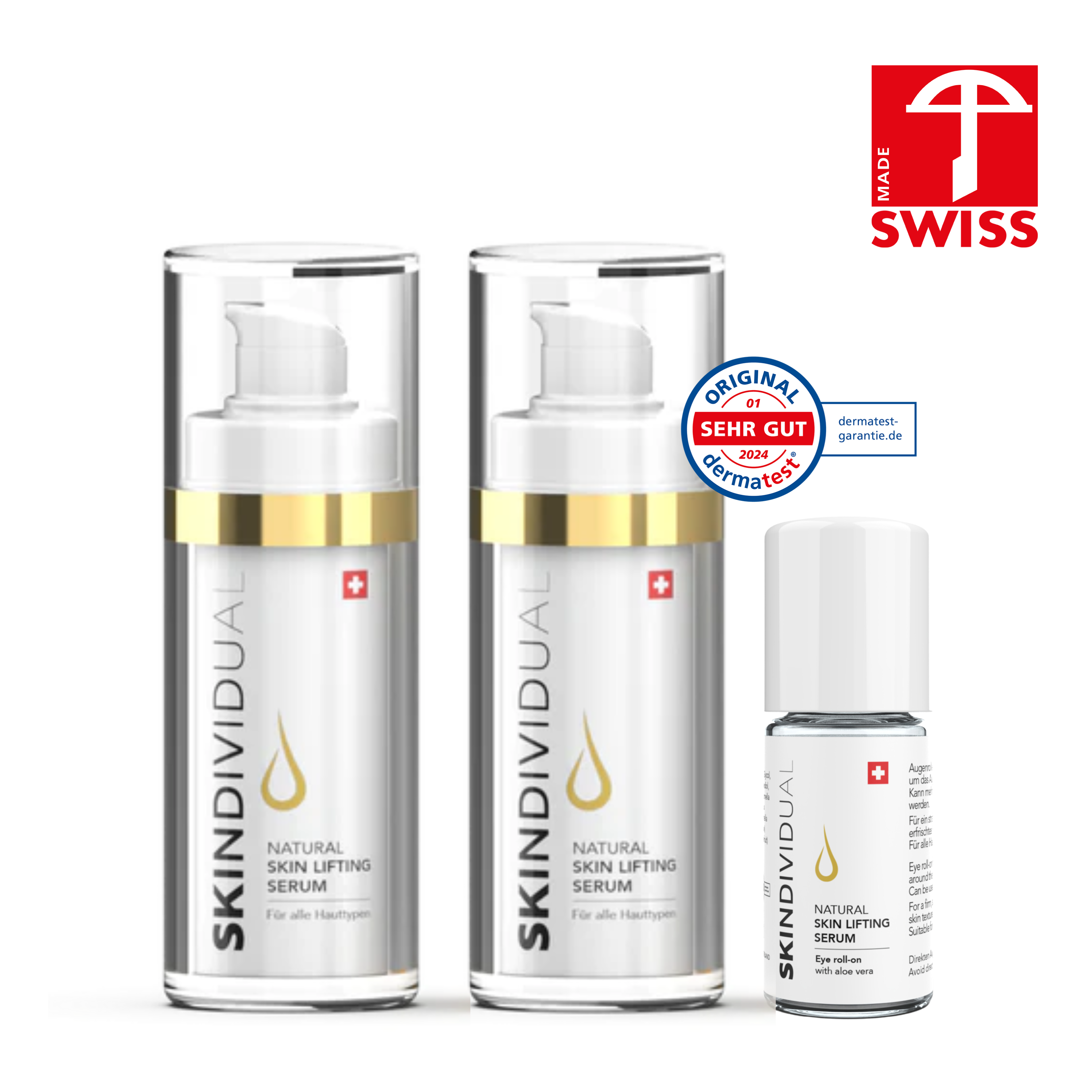
Tip: For quick soothing after acute irritation on the face, the Natural Skin Lifting Serum from SKINDIVIDUAL is recommended. Besides hyaluron and Spilanthol, it also contains Chondrus Crispus Powder, which cools and alleviates inflammation – perfect for gently soothing reddened, itchy areas after pollen or contact allergies.
Cooling and Soothing Irritated Skin
Lukewarm to cool compresses: Place a clean cloth or special gel compresses on the affected facial areas (cheeks, forehead, eyelids). The cool inhibits the release of inflammatory messengers. Itching and swelling subside.
Aloe Vera Gel: Apply pure Aloe Vera gel from the tube or fresh from the plant. It provides moisture, soothes the skin, and has an anti-inflammatory effect.
Chamomile tea compresses: Soak lukewarm compresses with cooled, strongly brewed chamomile tea (2–3 tea bags in 250 ml). Chamomile has an irritation-soothing and antiseptic effect.
Antihistamines and Topical Agents Against Allergic Skin Rash
- Oral antihistamines (e.g., cetirizine, loratadine): Block the effect of histamine in the body and reduce itching, redness, and swelling. Quick effect within 30–60 minutes.
- Antihistamine-containing creams or gels (e.g., based on dimethindene maleate): Apply directly to the skin rash – ideal for locally limited areas.
- Cortisone-containing ointments (low-dose, e.g., hydrocortisone 0.5%): Apply only for a short term (max. 5–7 days), as they can weaken the skin barrier with prolonged use.

Immediate Measures for Pollen Exposure on the Face
- Keep rooms free of pollen: Keep windows closed during the day (especially in the morning and evening, when pollen count is strongest).
- Use air conditioning with a pollen filter and change the filter regularly.
- Change clothes: To not carry pollen into the bedroom or bathroom, take off daily clothing immediately after staying outdoors and wash separately.
- Shower and hair wash: Pollen likes to stick in hair and on skin. A quick shower before going to bed reduces the nocturnal allergen load.
- Pollen protection masks: An FFP2 mask or nasal filter can help reduce the amount of stirred-up pollen outdoors, especially when mowing the lawn or taking walks.
Strengthen Skin Barrier and Alleviate Irritation
pH-neutral cleansing: Use a mild syndet cream or syndet gel (pH 5.5) to avoid additional skin irritation.
Moisturizing creams with ceramides: They support the regeneration of the skin protective barrier and prevent drying out, which can increase itching and inflammation.
Apply barrier protection: Around the nostrils, on cheekbones, or under the eyes, where pollen adheres particularly well, a zinc-containing protective cream can be applied protectively.
Home Remedies and Natural Helpers for Allergic Skin Reaction
- Coconut oil or shea butter: Act slightly antimicrobial and help keep dry, stressed skin supple.
- Honey water (locally): A thin film of pure Manuka or organic blossom honey can act protectively. It should, however, not be applied to open wounds.
- Curd compresses: Give some cold low-fat curd on a cloth and place it on the affected area (max. 10 minutes). Curd extracts heat and swelling, cools, and soothes.
Prevent Allergic Reaction on the Face: Long-term Strategies
Besides immediate help, it is important to prevent long-term. With the right strategies, you can significantly reduce the frequency and intensity of allergic skin reactions on the face.
Allergen Avoidance: Consistently Avoiding Triggers
The most important step in every allergy is consistently avoiding the trigger. Keep a symptom diary where you record when and in what situation your allergic skin rash occurs. This way, you recognize patterns and can specifically counteract them.
Skincare Routine for Allergic Skin on the Face
- Use exclusively hypoallergenic, fragrance-free products.
- Cleanse your face gently morning and night with lukewarm water suspension.
- Apply a moisturizer with ceramides and niacinamide after cleansing to strengthen the skin barrier.
- Refrain from products with alcohol, essential oils, and synthetic fragrances.
Behavioral Rules and Further Tips
Do not scratch: Scratching worsens skin injuries, promotes secondary infections, and delays the healing process. Light pressure with the heel of the hand often relieves itching better than scratching.
Avoid hot temperatures: Hot showers, saunas, or direct sun can worsen the allergic reaction.
Drink enough: To support the immune system and moisturize the skin from within, plenty of water or unsweetened herbal teas help.
Reduce stress: Stress promotes inflammatory reactions – breathing exercises or short meditation sessions can contribute to calming the nervous system and alleviating symptoms.
Conclusion: Recognizing and Acting Correctly in Case of Allergic Reaction on the Face
Allergic reactions on the face can be triggered by a multitude of causes – from food allergies to wrong skincare products to pollen and metals in jewelry. The symptoms range from an allergic skin rash with redness, wheals, and itching to eczema and swelling. Whether early bloomer allergy, grass allergy, or contact allergy: it is decisive that you recognize the triggers and specifically avoid them.
With the right immediate measures – from cooling to antihistamines to natural home remedies – an allergic skin reaction on the face can be effectively alleviated. Long-term, consistent allergen avoidance, a skin-friendly skincare routine, and regular checks at the dermatologist help you feel carefree and confident in your skin again – without an allergic skin rash or burning skin around the eyes.
In case of persistent or very severe reactions, you should see a dermatologist or allergist early on to discuss a targeted therapy and long-term prevention.