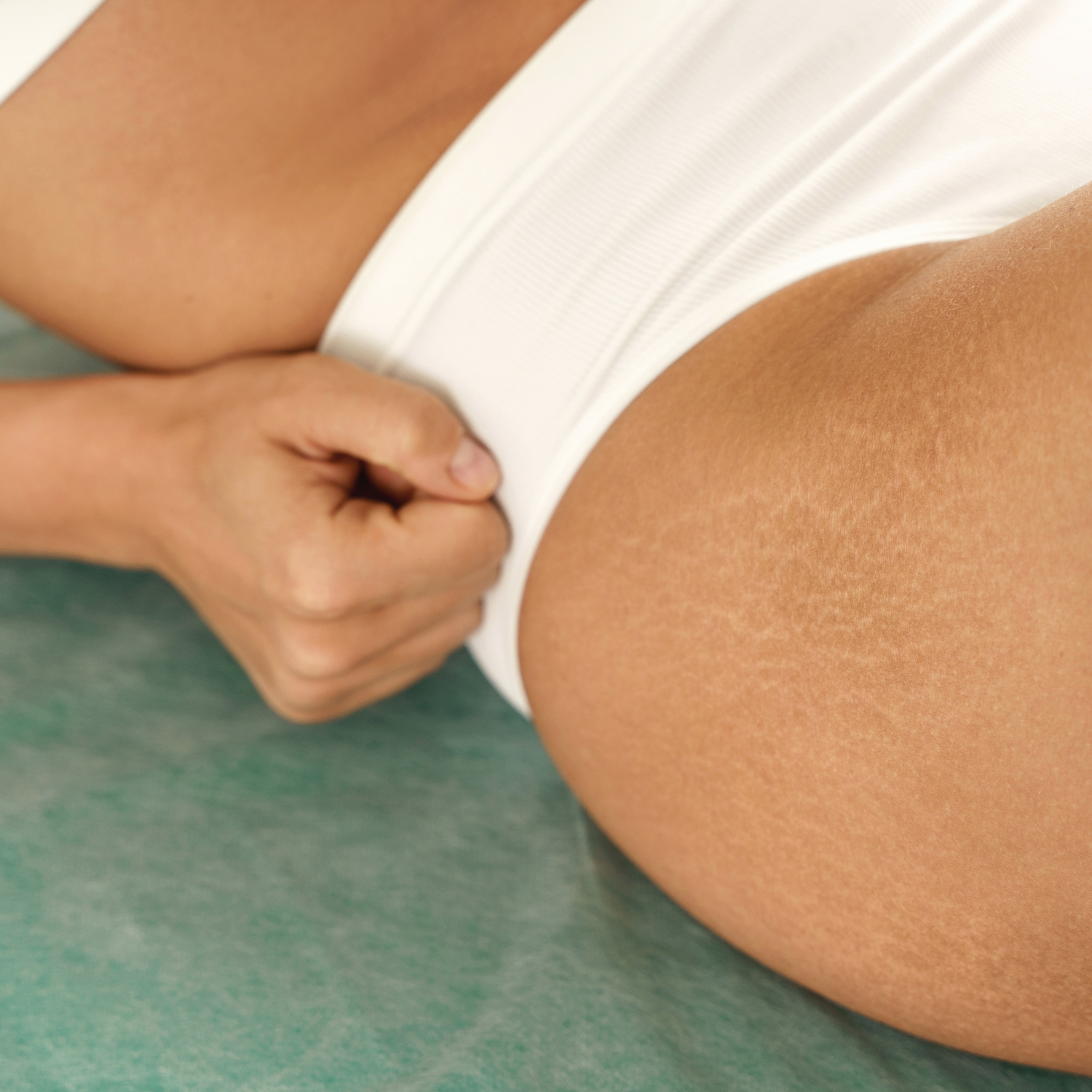
You stand in front of the mirror in the morning and discover fine lines on your stomach, hips, or thighs. Maybe you ask yourself: How to get rid of stretch marks? You're not alone in this – estimates suggest up to 80 percent of all people develop stretch marks at some point in their lives. Especially common are stretch marks during pregnancy for expectant mothers, but adolescents going through puberty and athletes also know the phenomenon.
In this comprehensive guide, you will learn everything you need to know about stretch marks: from causes and proven methods to get rid of them, to concrete tips on how to specifically prevent stretch marks during pregnancy and other striae.
What Are Stretch Marks?
Stretch marks – medically referred to as striae cutis distensae – are stripe-like scars in the middle layer of the skin (dermis). They arise when connective tissue is stretched faster than it can adapt. The fine tears affect the collagen and elastin fibers of the dermis, while the overlying epidermis remains intact.
What Do Stretch Marks Look Like?
Fresh stretch marks appear reddish-violet and can be slightly raised – experts speak of striae rubrae. In this phase, your body is actively working on repair, which is why you may notice itching or tightness. Over time, they fade to silvery-white lines, the so-called striae albae. This color change shows you that the wound healing process is complete.
Do stretch marks go away? Generally, they won't disappear completely on their own. But with the right measures, you can significantly improve their appearance.
The Three-Layer Architecture of Your Skin
Your skin consists of three layers: epidermis, dermis, and subcutaneous tissue (subcutis). A dense network of collagen and elastin fibers runs through the dermis – like an elastic trampoline that stretches and contracts during normal movement. With extreme or rapid stretching, these fibers tear. Fibroblasts (repair cells) do form replacement tissue, but cannot create an identical copy of the original. The result: visible scars in the form of stretch marks.

Stretch Marks During Pregnancy: Causes and Risk Factors
Stretch marks during pregnancy are the best-known form of stretch marks. From the last trimester, the stomach grows particularly fast while the cortisol level simultaneously rises. Cortisol makes collagen fibers softer and more prone to tearing – a double risk factor. Studies show that up to 90 percent of all pregnant women develop stretch marks.
But stretch marks are by far not the only cause. Here are the most important triggers at a glance:
- Pregnancy: Rapid stretching on the stomach, chest, and hips, reinforced by hormonal changes. Many women consider getting rid of stretch marks after childbirth a big issue.
- Puberty and growth spurts: Adolescents sometimes grow so fast that connective tissue cannot keep up. Stretch marks on thighs, hips, and back appear particularly often.
- Rapid weight gain or loss: Anyone gaining or losing a lot of weight in a short time overburdens their connective tissue. Stretch marks on the thighs and stomach are typical consequences.
- Strength training and muscle building: Bodybuilders and strength athletes know stretch marks on shoulders, upper arms, and thighs. When muscle mass overtakes the skin, the fibers tear.
- Genetic predisposition: The constitution of your connective tissue is hereditary. If your mother had stretch marks, your risk is higher.
- Hormonal influences and medications: Long-term cortisone therapies or Cushing's syndrome throttle collagen production and significantly increase the risk.
Stretch Marks on Thighs, Stomach & Co.: Typical Body Areas
Stretch marks preferentially appear in body areas where volume changes quickly:
- Stomach: The classic – especially with pregnancy marks and weight fluctuations.
- Thighs: Stretch marks on the thighs are extremely common, both on the inside and outside. Puberty, weight changes, and strength training are the most frequent triggers.
- Chest: Hormonal changes in puberty or pregnancy ensure fan-shaped marks.
- Buttocks and hips: Here, fat accumulation and low supporting musculature meet.
- Shoulders and arms: Typical for strength athletes when muscle mass increases rapidly.
- Knees and calves: Rarer, but possible – depending on predisposition and skin elasticity.
How to Get Rid of Stretch Marks?
The honest answer: removing stretch marks completely and trace-free is hardly possible with current methods. But what you can do is significantly improve their appearance – they become flatter, lighter, and less visible. Especially with fresh, still reddish striae rubrae, the chances of success are high. Here are the most effective methods to get rid of stretch marks:
Professional Treatments
- Laser Therapy: Fractional lasers stimulate new collagen formation in the depth of the skin. Several sessions are necessary, but results in getting rid of pregnancy marks can be impressive.
- Microneedling: Fine needles create controlled micro-injuries that kick-start the natural repair process. Particularly effective in combination with hyaluronic acid or PRP (platelet-rich plasma).
- Chemical Peels: Trichloroacetic acid (TCA) or glycolic acid remove the top skin layer and promote cell renewal.
- Radiofrequency Therapy: Heat energy penetrates into the dermis and stimulates collagen and elastin production.
What Helps Against Stretch Marks at Home?
Not every method requires an appointment at the practice. You can integrate these approaches into your daily skincare:
- Retinol (Vitamin A): One of the best-researched active ingredients for skin renewal. Retinol promotes collagen synthesis and can visibly improve fresh stretch marks. Important: Retinol is tabu during pregnancy and breastfeeding – talk to your doctor beforehand.
- Vitamin C Serum: As a strong antioxidant, Vitamin C supports collagen formation and protects against free radicals.
- Hyaluronic Acid: Provides intensive moisture and plumps up the skin from within, making stretch marks appear less deep.
- High-quality oils: Almond, jojoba, or rosehip oil keep the skin supple. Massaged in regularly, they improve elasticity.
- Regular Massage: Pinching massages and moisturizing improve circulation and thus nutrient supply to the tissue.
How to Get Rid of Stretch Marks: What Doesn't Work?
Be skeptical of products promising to remove stretch marks completely. Neither cocoa butter alone nor olive oil without further active ingredients have shown a significant effect in studies. The key lies in the combination of active ingredients, mechanical stimulation, and patience.
Prevent Stretch Marks: Strengthen Your Connective Tissue
Prevention is better than treatment – and actually, you can do quite a bit to make your connective tissue more resistant. This is how you can prevent stretch marks:
Drink Sufficiently
30 to 35 ml of water per kilogram of body weight keep your skin cells plump and elastic. In pregnancy, during sports, or on hot days, you may drink more. Well-hydrated skin is significantly more resistant to tears.
Nutrient-Rich Nutrition
Certain nutrients are true boosters for your connective tissue:
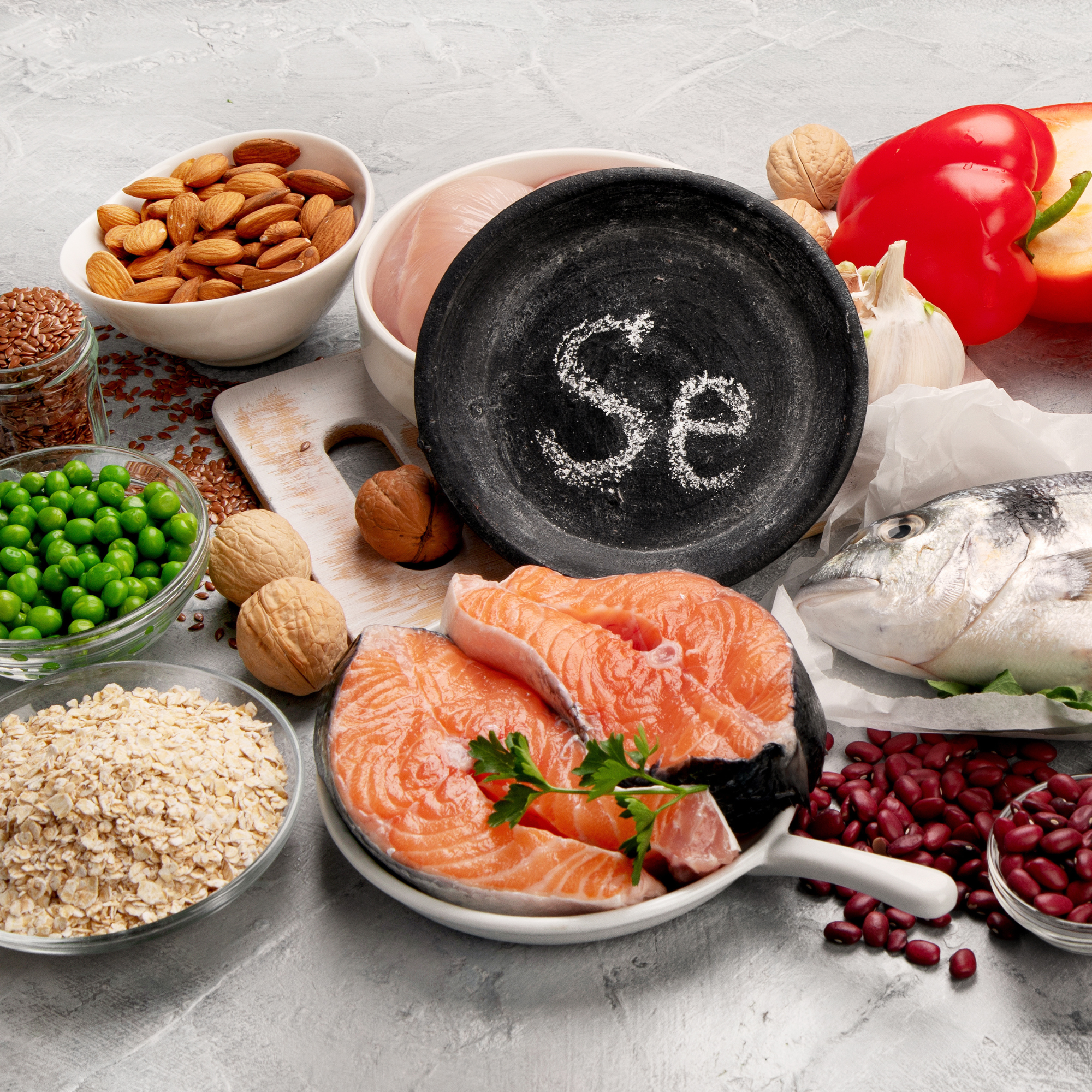
- Protein: Beans, eggs, yogurt, and lean meat provide the building blocks for new collagen fibers.
- Vitamin C: Peppers, broccoli, and citrus fruits promote collagen synthesis.
- Vitamin E and Omega-3 Fatty Acids: Nuts, seeds, and fatty fish protect the fibers from oxidative stress.
- Zinc: Pumpkin seeds, oatmeal, and lentils support wound healing and tissue renewal.
Change Weight Slowly
A gain or loss of a maximum of 0.5 kg per week is gentle on your connective tissue. In pregnancy, orient yourself to the recommendations of your gynecologist – often 10 to 15 kg gain over nine months is a healthy benchmark.

Regular Exercise
Three times a week moderate endurance sports – swimming, cycling, or brisk walking – combined with light strength training strengthens your musculature and promotes circulation. Well-perfused skin is more elastic and resistant.
Apply Mechanical Stimuli
- Pinching massage: 5 minutes daily after showering, gently pinch the affected areas. This promotes local circulation and stimulates collagen formation.
- Dry brushing: Twice weekly, brush in circular motions toward the heart with a natural bristle brush.
- Alternating showers: 30 seconds of cold water at the end train your vessels and improve skin elasticity.
Targeted Skincare
After showering, apply a moisturizing body oil or rich body lotion. Products with hyaluronic acid, vitamin E, or shea butter keep the skin supple. In pregnancy, you can start preventive care from the first trimester to reduce pregnancy marks.
Remove Pregnancy Marks: Special Tips for Moms
Pregnancy marks are an emotional topic for many women. Here are some specific recommendations:
- During pregnancy: From the first trimester, massage stomach, chest, and hips daily with high-quality oil. Pinching massages are particularly effective. Avoid retinol-containing products.
- After birth: As soon as you are no longer breastfeeding, you can start with retinol serums. Microneedling treatments make sense no earlier than six months after birth.
- Have patience: Pregnancy marks often fade significantly on their own in the first one to two years after birth. Supportive care accelerates this process.
Skin Love Instead of Self-Doubt
Pregnancy, puberty, or athletic ambition – your skin tells your personal story. Stretch marks are visible signs of change, growth, and life. At the same time, it is completely okay if you want to soften them. Both are not mutually exclusive.
Choose a loving approach to your body:
- Accept that change is part of life.
- View your skincare as an act of self-care, not as a fight against your body.
- Remind yourself of what your body accomplishes – from growing a baby to a personal fitness record.
Conclusion: Treating and Preventing Stretch Marks
Stretch marks and pregnancy marks are harmless scars in the connective tissue that arise through rapid stretching and hormonal influences. They cannot be removed completely, but with the right combination of professional treatments (laser, microneedling), effective skincare (retinol, vitamin C, hyaluronic acid), and consistent prevention (nutrition, exercise, massage), you can significantly improve their appearance.
The most important tip: Start early. The fresher the stretch marks, the better they respond to treatment. And don't forget – your connective tissue benefits from every glass of water, every massage, and every conscious care unit. Your body thanks you for it.