
Dry Skin on the Face: Causes and the Best Skincare
Do you sometimes feel like the skin on your face is completely different from the rest of your body? Looking in the mirror in the morning and seeing dry skin on your face—tightness, fine lines, and redness that just won’t go away. Dry facial skin affects millions of people and becomes a real challenge as we age. But there’s something you can do about it. In this comprehensive guide, you’ll learn everything about the causes of dry skin, proven skincare tips, and effective home remedies so you can feel completely comfortable in your own skin again.
What is dry skin, and how can you recognize it?
Dry skin (medically known as xeroderma) occurs when the skin cannot retain enough moisture or when its natural protective barrier is compromised. Dry skin is particularly noticeable on the face because the skin there is thinner and more sensitive than the skin on the rest of the body.
Typical signs of dry facial skin:
- A feeling of tightness, especially after washing
- Rough, flaky, or cracked patches of skin
- Fine lines and wrinkles that become more visible
- Redness and irritation
- Itching and an uncomfortable sensation on the skin
- A dull, tired complexion lacking radiance
If you notice one or more of these symptoms, you most likely have dry skin on your face. But don’t worry—with the right knowledge and proper care, you can effectively manage the problem.
Causes of Dry Skin: Why Does Facial Skin Become Dry?
To treat dry skin effectively, it’s important to understand its causes. The causes of dry skin are varied and can be divided into internal and external factors.
Internal Causes of Dry Skin
Skin Aging: As we age, the sebaceous glands produce less oil. At the same time, the skin’s ability to retain moisture decreases. This process begins around age 30 and becomes noticeably more pronounced after age 50. The skin becomes thinner, loses elasticity, and dries out more quickly.
Hormonal changes: Estrogen levels drop, particularly during menopause, which significantly affects skin moisture. However, pregnancy, menstruation, and the use of hormonal birth control can also contribute to dry facial skin.
Genetic predisposition: Some people are naturally prone to dry skin. If your parents had dry skin, you’re more likely to be affected as well.
Diet and Dehydration: If you don’t drink enough fluids or have an unbalanced diet, you deprive your skin of essential nutrients and moisture. In particular, a deficiency in omega-3 fatty acids, vitamin A, vitamin E, and zinc can contribute to dry facial skin.
Medical Conditions: Skin conditions such as atopic dermatitis, rosacea, psoriasis, or eczema often lead to extremely dry facial skin. Metabolic disorders such as hypothyroidism or diabetes can also cause dry skin.
External causes of dry skin
Weather and climate: Cold, wind, and dry, heated air in the winter are the biggest enemies of dry skin. However, intense sun exposure in the summer can also damage the skin barrier and strip it of moisture.
Incorrect skincare: Harsh cleansing products, washing or exfoliating too frequently, and alcohol-based products destroy the skin’s natural acid mantle. Using water that is too hot when washing also dries out the skin.
Environmental factors: Air pollution, fine particulate matter, and air conditioning put additional strain on the skin and can worsen dry skin on the face.
Stress: Chronic stress raises cortisol levels, which can weaken the skin barrier and lead to dryness.

What Can You Do About Dry Skin? The Best Skincare Routine for Dry Facial Skin
Now that you know the causes of dry skin, let’s move on to the most important part: What can you do about dry skin on your face? With the right skincare routine, you can provide your skin with long-lasting moisture and strengthen the skin barrier.
Step 1: Gentle Cleansing—The Foundation for Combating Dry Skin
Cleansing is the first and most important step in your skincare routine. Be sure to avoid harsh cleansing products containing sulfates or alcohol, which can further irritate your dry facial skin. Instead, opt for:
- A mild cleansing milk or an oil-based cleansing gel
- Lukewarm water —hot water strips the skin of moisture
- Gently patting dry instead of rubbing with a towel
- Cleanse no more than once in the morning and once in the evening—not more often
Step 2: Moisturizing—the be-all and end-all for dry facial skin
Moisture is the key to healthy, radiant skin. The right moisturizer for dry skin should contain the following active ingredients:
- Hyaluronic acid: Can bind 1,000 times its own weight in water and deeply hydrates the skin
- Ceramides: Strengthen the skin barrier and prevent moisture loss
- Glycerin: Attracts moisture from the air and locks it into the skin
- Urea: Provides intense hydration and has a mild keratolytic effect
- Shea butter and jojoba oil: Natural fats that keep the skin supple
Always apply your moisturizer to skin that’s still slightly damp—this helps it lock in moisture more effectively.
Step 3: Serums and boosters for extra moisture
A serum is an ideal complement to moisturizer because it contains higher concentrations of active ingredients and penetrates deeper into the skin. The following are particularly suitable for dry facial skin:
- Hyaluronic acid serum for immediate hydration
- Vitamin C serum for radiance and protection against free radicals
- Niacinamide serum to strengthen the skin barrier
Step 4: Sunscreen—a Must for Dry Facial Skin
UV radiation is one of the biggest enemies of dry skin. It damages the skin barrier, promotes moisture loss, and accelerates skin aging. Use sunscreen with an SPF of at least 30 every day—even in winter and on cloudy days. Choose a sunscreen that also moisturizes and doesn’t contain any drying ingredients.
Dry Facial Skin: The Best Home Remedies
In addition to the right skincare products, there are many tried-and-true home remedies that can work wonders for dry facial skin. These natural remedies are gentle on the skin and easily available.
Honey Mask for Intensive Moisture
Honey is a natural moisturizer with antibacterial properties. Apply a thin layer of raw honey to your face, let it sit for 15–20 minutes, and rinse it off with lukewarm water. Your dry facial skin will immediately feel softer and smoother.
Avocado Mask for Dry Skin
Mash half a ripe avocado and mix it with a teaspoon of olive oil. Apply the mixture to your face and let it sit for 15 minutes. The healthy fats and vitamin E in the avocado deeply nourish dry skin.
Oatmeal Bath for Irritated, Dry Skin
Oatmeal soothes irritated, dry skin and relieves itching. Grind fine oatmeal and mix it with warm water to form a paste. Apply this to your face and let it sit for 10 minutes—ideal for particularly sensitive, dry facial skin.
Aloe Vera — Immediate Relief for Dry Facial Skin
The gel from the aloe vera plant instantly moisturizes and soothes irritated skin. Apply fresh aloe vera gel directly to the dry areas. It absorbs quickly and leaves the skin feeling pleasantly cool.
Superfoods for Dry Skin: Care from the Inside
What can you do about dry skin when creams alone aren’t enough? The answer also lies in your diet. Certain superfoods provide your skin with moisture and essential nutrients from the inside.

Avocados—the Hydration Booster for Dry Skin
Avocados are rich in monounsaturated fatty acids, which strengthen the skin barrier and lock in moisture. The vitamin E they contain acts as an antioxidant to protect against free radicals and improve skin elasticity. Regular consumption of avocados can visibly improve dry skin on the face.
Salmon and Fatty Fish — Omega-3s for Dry Facial Skin
Salmon, mackerel, and sardines are particularly rich in omega-3 fatty acids. These essential fats strengthen the skin barrier, reduce inflammation, and help the skin retain moisture more effectively. Two to three servings of fatty fish per week can make a noticeable difference for dry skin.
Nuts and seeds — sources of vitamin E
Almonds, walnuts, flaxseeds, and chia seeds are rich in vitamin E and healthy fats. They protect skin cells from oxidative damage and support moisture balance. A handful of nuts every day is a simple way to combat dry skin.
Berries — Antioxidants for Radiant Skin
Blueberries, raspberries, strawberries, and blackberries are packed with antioxidants and vitamin C. Vitamin C promotes collagen production and protects the skin from harmful environmental influences. The result: smoother skin and less dryness on the face.
Sweet Potatoes — Beta-Carotene for Skin Regeneration
Sweet potatoes are rich in beta-carotene, a precursor to vitamin A. This vitamin plays a key role in skin regeneration and strengthens the skin’s natural barrier. Regular consumption supports moisture balance and can improve dry facial skin.
Green Leafy Vegetables — Vitamins for a Healthy Skin Barrier
Spinach, kale, and Swiss chard provide large amounts of vitamins A and C as well as important minerals. These nutrients are essential for skin regeneration and protection against moisture loss. Include a serving of green vegetables in your diet every day to combat dry skin.
Coconut Water — Natural Hydration from the Inside
Coconut water provides important minerals such as potassium, sodium, and magnesium, which help regulate the body’s and skin’s moisture balance. It’s a natural and refreshing way to combat dry skin from the inside out.
Dry Skin on the Face: Common Mistakes to Avoid
Many people unknowingly worsen their dry facial skin through bad habits. Be sure to avoid these common mistakes:
- Water that’s too hot: Hot showers or washing destroy the skin’s protective acid mantle and severely dry out the skin. Always use lukewarm water.
- Over-skincare: Using too many different products or switching them too often can irritate the skin and worsen dryness.
- Products containing alcohol: Facial toners with alcohol strip the skin of moisture. Opt for alcohol-free alternatives.
- Excessive exfoliation: Mechanical scrubs with coarse particles damage skin that is already sensitive and dry. Use a gentle enzyme scrub no more than once a week.
- Not drinking enough: It’s important to drink at least 1.5 to 2 liters of water daily to hydrate the skin from the inside.
- No sunscreen: Even on cloudy days, UV rays damage the skin’s barrier and contribute to dryness.
When should you see a doctor for dry skin?
In most cases, dry skin on the face can be effectively treated with the right skincare and diet. However, there are situations in which you should see a dermatologist:
- If the dryness doesn’t improve despite good skincare
- If you experience severe itching that interferes with your daily life
- If eczema, cracks, or open sores develop
- If you experience sudden, extreme dryness
- If you notice signs of a skin condition such as atopic dermatitis or rosacea
A dermatologist can determine the exact causes of dry skin and recommend a targeted treatment.
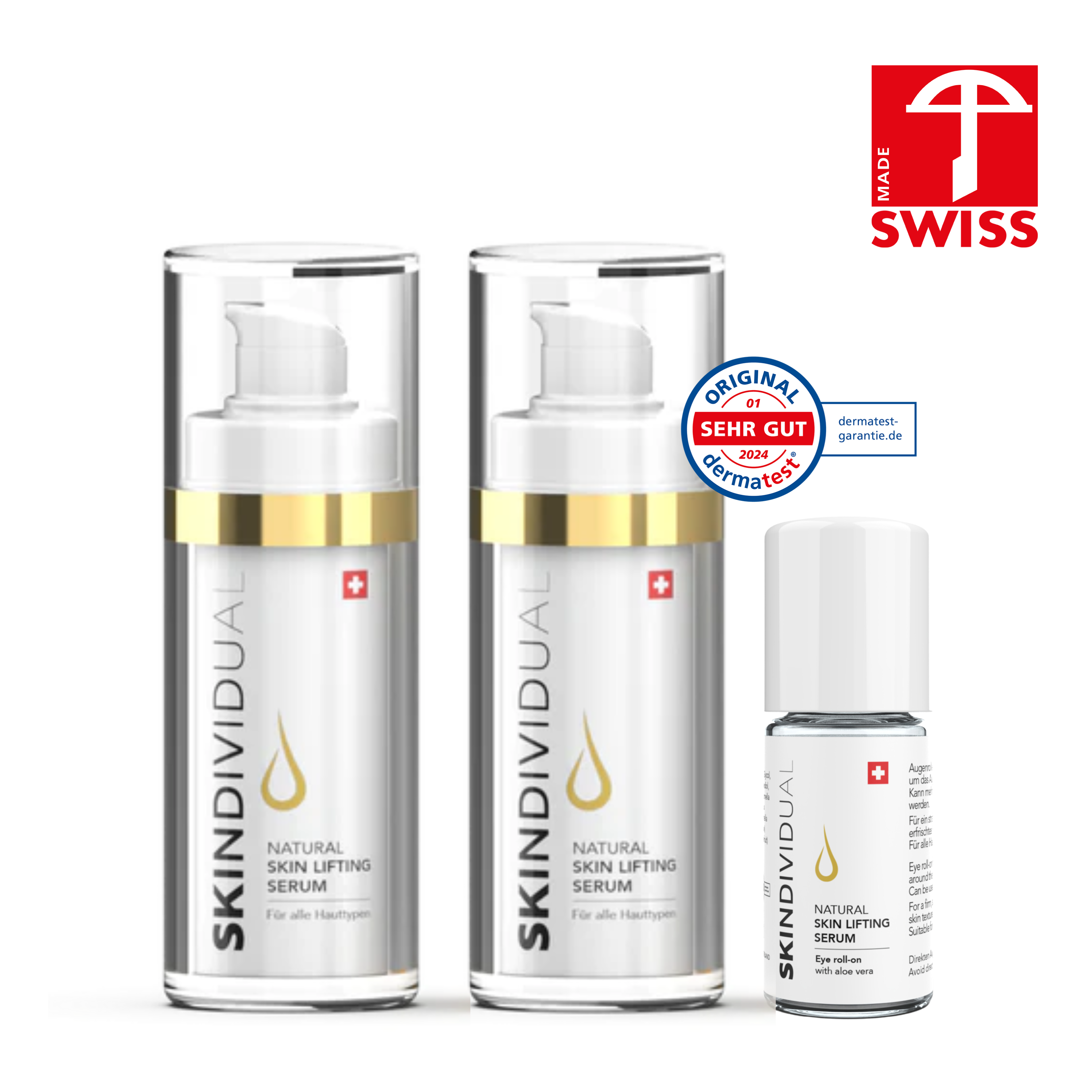
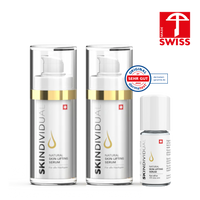
SKINDIVIDUAL Serum: Intensive Care for Dry Facial Skin
For dry facial skin, SKINDIVIDUAL Serum is an ideal addition to your skincare routine. Formulated exclusively with natural active ingredients, it provides intensive care and firms the face in just 60 minutes—the effect lasts up to 24 hours.
A single drop provides your dry facial skin with deep-acting hydration, relaxes the facial muscles, and ensures a fresh, firmer complexion. After just four weeks of regular use, a 44.6% reduction in wrinkle depth is visible.
The serum is ideal for all skin types, vegan, and paraben-free—just the thing if you want to know what really helps combat dry skin. For refreshed, revitalized skin—all day long.
Conclusion: Dry facial skin isn’t inevitable
Dry facial skin may be annoying, but with the right knowledge and proper care, you can make your skin glow. Remember: The combination of gentle external care, a balanced diet, and a healthy lifestyle is the key to supple, healthy skin.
Listen to your skin’s needs, avoid common skincare mistakes, and give your skin the moisture it deserves. Your skin is unique and full of history—it deserves the best care you can give it.