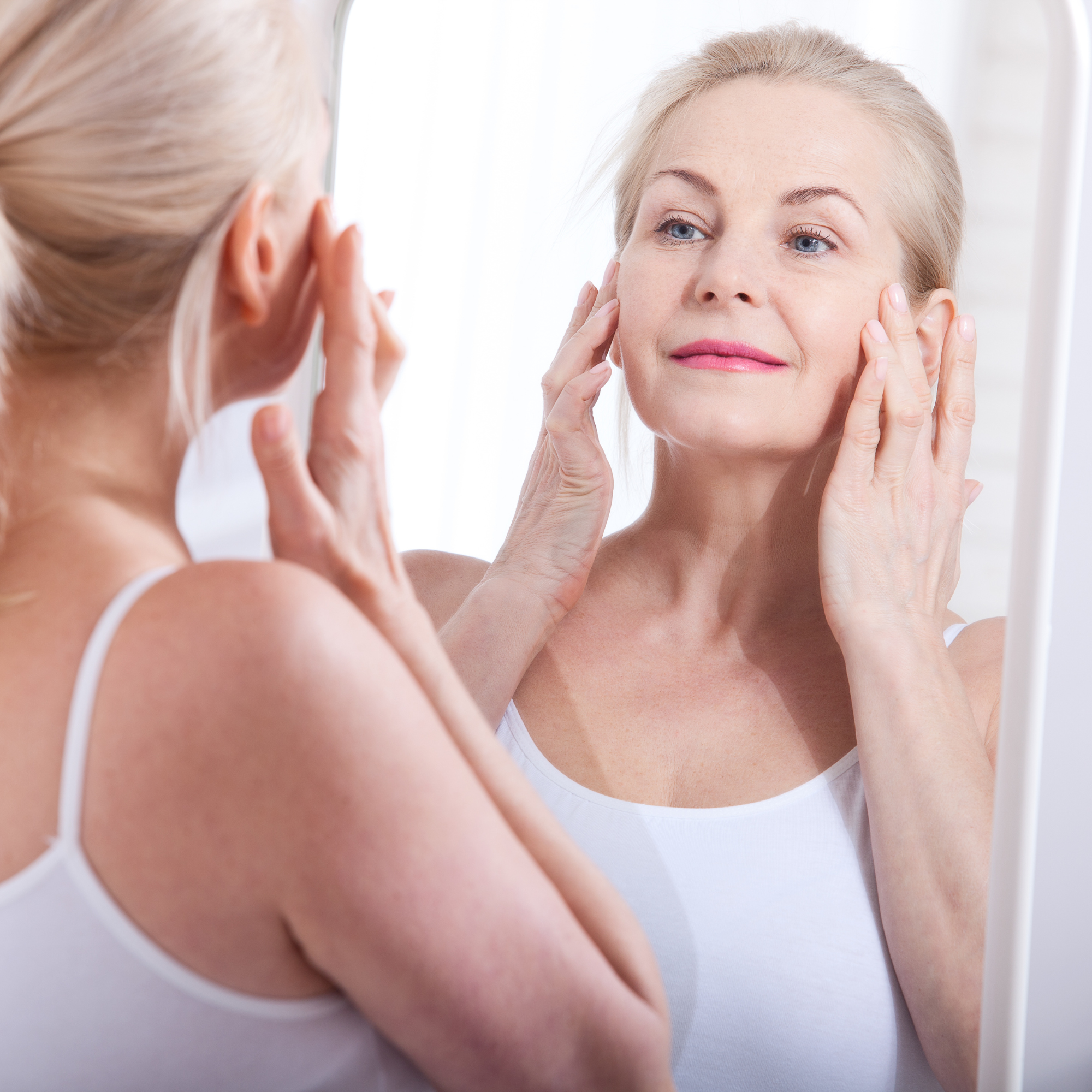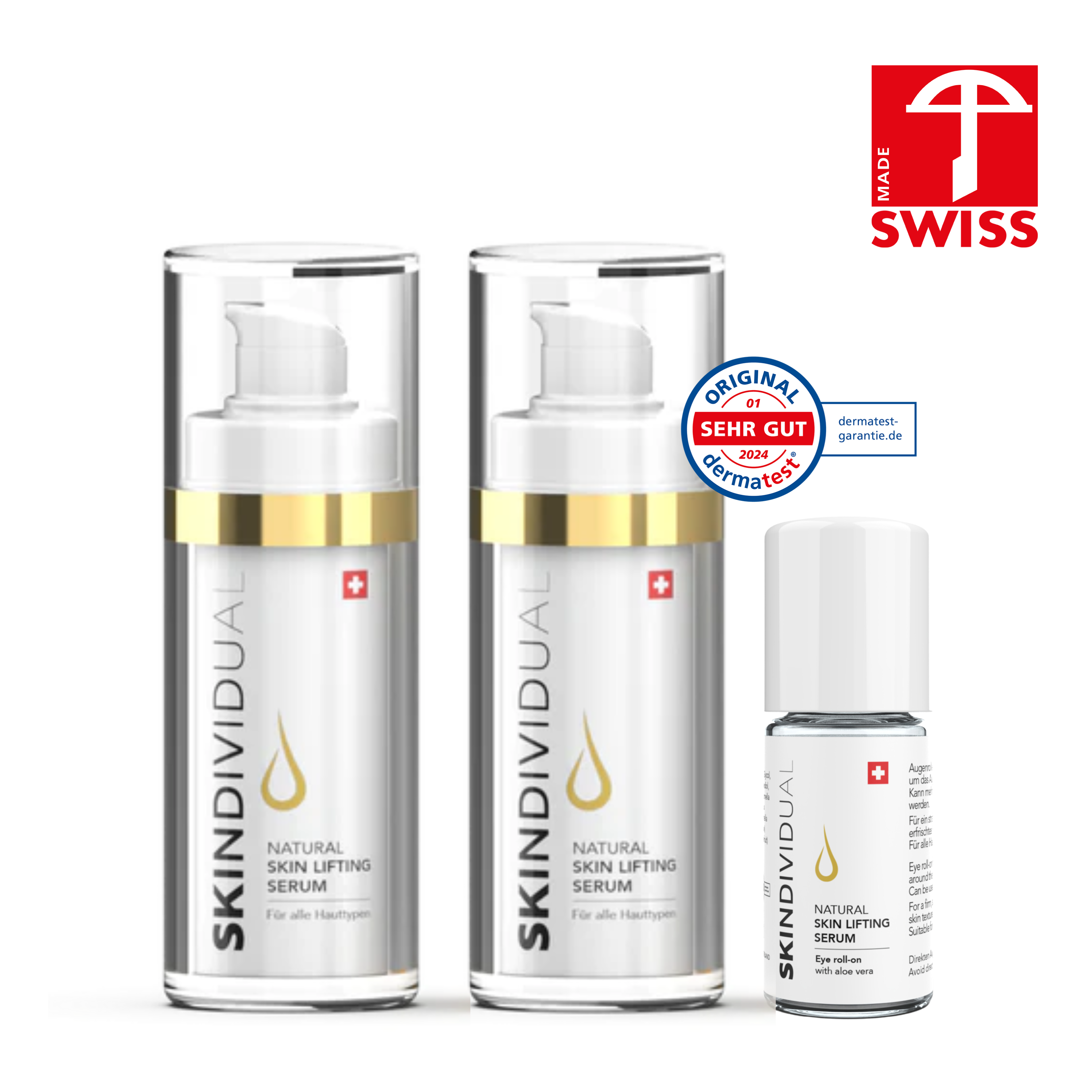
The Vitamin E effect on your body is impressive: as a fat-soluble antioxidant, it protects your cells from free radicals, strengthens the skin barrier, and supports your immune system. No wonder Vitamin E is also called the "bodyguard of your cells." But what exactly is Vitamin E good for, which foods contain it, and what makes Vitamin E so special for the skin? In this comprehensive guide, you will learn everything you need to know about the function of Vitamin E – scientifically sound and practically prepared.
What is Vitamin E?
Vitamin E is not a single substance, but a whole family consisting of four tocopherols and four tocotrienols. The most important and best-researched compound is alpha-tocopherol (α-tocopherol). Your body cannot produce Vitamin E itself – you have to take it in through nutrition or dietary supplements.
As a fat-soluble micronutrient, Vitamin E is preferentially stored in cell membranes, lipoproteins, and adipose tissue. There, it unfolds its effect as a radical scavenger. Without sufficient intake, sensitive fatty acids can oxidize, which accelerates aging processes and inflammation.
Tocopherols vs. Tocotrienols – The Eight Forms
Under the collective term "Vitamin E," there are eight natural compounds:
- RRR-α-Tocopherol (natural alpha-tocopherol) – highest bioavailability and reference value with 100% Vitamin E activity.
- β-, γ- and δ-tocopherol – biologically active, but only 40%, 20% and 10% as effective as alpha-tocopherol.
- Tocotrienols (α, β, γ, δ) – possess a similar antioxidant potential and show interesting special effects, for example in cholesterol management.
In dietary supplements, you often find the stabilized form α-tocopheryl acetate. If "all-rac-α-tocopheryl acetate" is on the label, it is a semi-synthetic product with about half the efficacy.
Vitamin E Effect on the Skin
What is Vitamin E good for in skincare? The Vitamin E effect on the skin is versatile and scientifically well-proven. That is why hardly any high-quality anti-aging serum gets by without tocopherol.
Protection Against UV Damage and Skin Aging
Vitamin E neutralizes free radicals that arise through UV radiation, environmental pollution, and stress. These free radicals accelerate skin aging by attacking collagen and elastin. The antioxidant Vitamin E function slows down this process and helps to reduce wrinkles and fine lines.
Strengthening the Skin Barrier
Vitamin E stabilizes the lipid layer of your skin. This means: less moisture loss, less dryness, and a suppler skin feeling. Especially in Swiss winter, when cold air and heated air strain your skin, an intact skin barrier is essential.
Moisture Binding and Elasticity
What does Vitamin E do for your skin appearance? It binds moisture in the skin and promotes elasticity. Regular application – whether through nutrition or skincare products – ensures a more even, plumper skin appearance.
Support for Scars and Pigment Spots
Studies show that Vitamin E can support wound healing and improve the appearance of scars. Additionally, it helps with hyperpigmentation by regulating melanin production.

What is Vitamin E Good For? – Functions at a Glance
The Vitamin E effect is not just limited to the skin. Here are all important functions of what Vitamin E does in your body:
Antioxidant Cell Protection
The main function of Vitamin E is the protection of your cells. It interrupts chain reactions of lipid peroxidation and preserves polyunsaturated fatty acids from destruction. Together with Vitamin C, Vitamin E even regenerates itself – a prime example of antioxidant synergy. This Vitamin E effect has direct impacts on skin aging, cardiovascular health, and the immune system.
Strengthening the Immune System
Immune cells have a high content of polyunsaturated fatty acids and therefore require special antioxidant protection. Vitamin E improves the multiplication of T-lymphocytes, modulates inflammatory cytokines, and contributes to robust defenses. Anyone who exercises regularly or is exposed to stress particularly benefits from a good Vitamin E supply.
Cardiovascular Health
Oxidized LDL cholesterol is considered a key factor in atherosclerosis. What does Vitamin E do here? It protects LDL particles from oxidation and can thus reduce the risk of plaque formation. Studies also indicate improved endothelial function and a slight reduction in blood pressure with sufficient Vitamin E supply.
Protection of Nerves and Eyes
Nerve cells have a high density of lipid-rich membranes. A permanent Vitamin E deficiency can lead to neuropathies – with symptoms like tingling, motor problems, or visual disturbances. The AREDS-2 study also shows that Vitamin E can slow the progression of age-related macular degeneration.
Fertility and Hormonal Balance
Vitamin E plays a role in the regulation of hormonal balance. It supports fertility in men and women and can alleviate menstruation-related complaints.
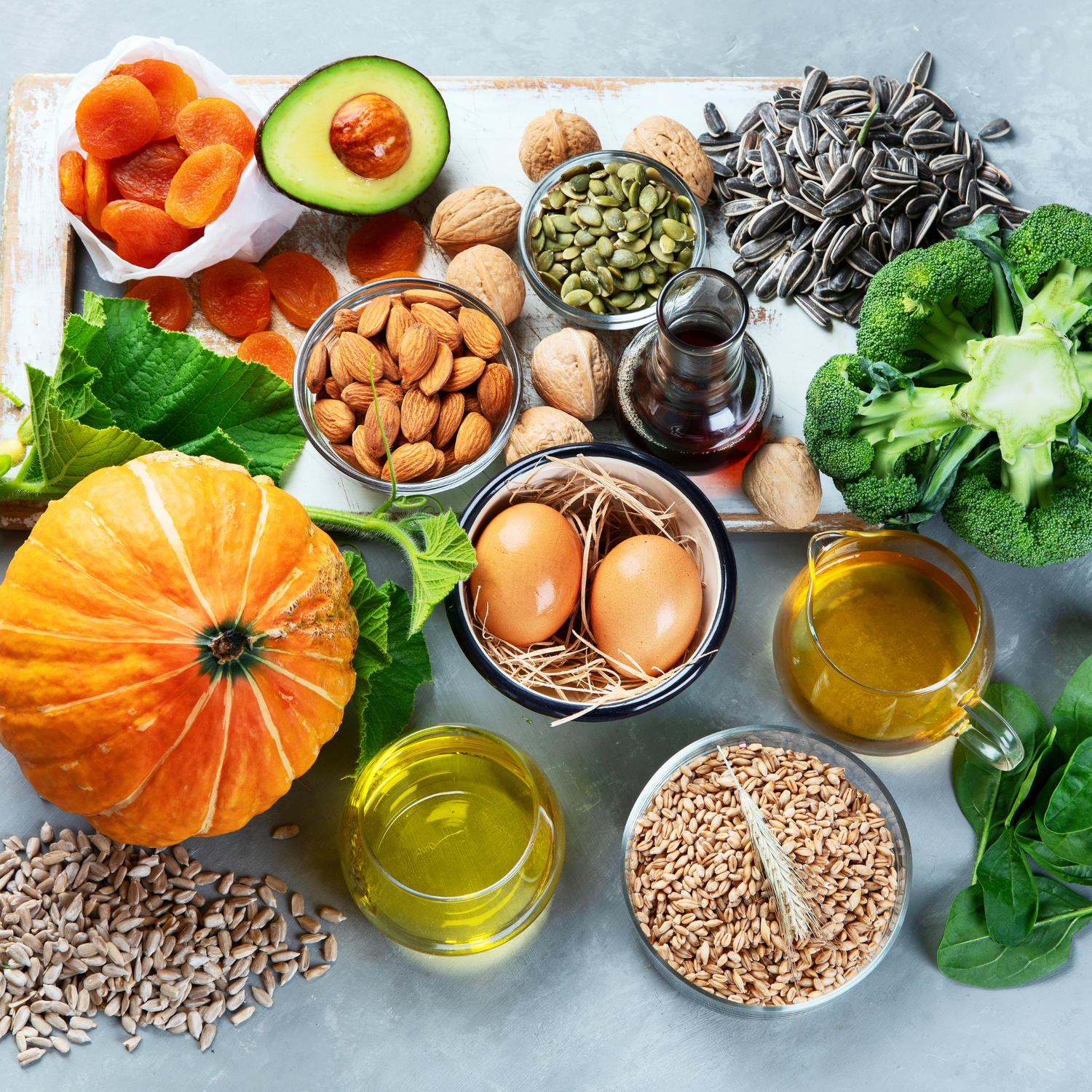
Vitamin E Foods – The Best Sources
You ask yourself what Vitamin E in foods is good for and where it is contained most? Here are the top sources:
Vegetable Oils – The Front-runners
Wheat germ oil provides the absolute record value with just under 170 mg α-tocopherol per 100 g. A single teaspoon covers your daily requirement. Equally recommended are:
- Sunflower oil: approx. 50 mg per 100 g
- Rapeseed oil: approx. 22 mg per 100 g
- Olive oil: approx. 12 mg per 100 g
Nuts and Seeds – Crunchy Power Packages
| Food | Vitamin E per 100 g |
|---|---|
| Sunflower seeds | 35 mg |
| Almonds | 25 mg |
| Hazelnuts | 15 mg |
| Peanuts | 10 mg |
| Flaxseeds | 10 mg |
A handful of almonds (approx. 30 g) provides about 7 mg of Vitamin E – more than half your daily requirement.
Green Vegetables and Fruit
Spinach, broccoli, and peppers contain "only" 1–3 mg per 100 g, but score points through their low calorie content and additional antioxidants. Avocados combine healthy fats and 2 mg Vitamin E per half fruit, kiwis contribute about 1.5 mg.
Fatty Fish – Double Power
Herring and salmon each contain around 2 mg per 100 g and bring along omega-3 fatty acids, which are protected from oxidation by the antioxidant Vitamin E. A perfect combination for heart and brain.
Practical tip: Replace refined frying fat more often with cold-pressed rapeseed oil and sprinkle toasted sunflower seeds over soups or salads – this way you tangibly increase your daily Vitamin E intake.
Vitamin E Daily Requirement & Intake
How Much Vitamin E Do You Need Daily?
The European Food Safety Authority (EFSA) recommends:
- Men: 13 mg α-tocopherol daily
- Women: 11 mg α-tocopherol daily
- Pregnant women: 13 mg daily
- Breastfeeding women: 16 mg daily, to cover the increased need of the infant
- Children (1–10 years): 15–30 µg
That sounds like a lot, but is easily achievable: a generous tablespoon of wheat germ oil in porridge in the morning or 40 g of almonds as a snack already cover the entire requirement.
When and How to Take Vitamin E?
- Combine with fat: Since Vitamin E is fat-soluble, you ideally take it with a meal containing at least 5 g of fat.
- Cold instead of hot: High temperatures destroy tocopherols. Use high-quality oils preferably for salads or pour them over the dish after cooking.
- Natural over synthetic: Anyone using supplements should prefer d-α-tocopherol or α-tocopheryl acetate of natural origin – the bioavailability is significantly higher.
- Use synergy effects: Vitamin C and selenium recycle consumed Vitamin E and increase its antioxidant activity.
- Observe dosage: Pay attention to the specification "mg per capsule" – often it's 100 mg, i.e., almost ten times the daily requirement.
- Medical consultation with medication: Over 200 mg α-tocopherol per day can influence blood clotting and antagonize the effect of Vitamin K.
Watch Out for Interactions
High doses (over 200 mg/day) can influence blood clotting. Anyone taking anticoagulant medications like warfarin should refrain from high-dose preparations and clarify this medically. Moderate doses, however, benefit from a combination with Vitamin C or selenium – Vitamin E is regenerated by this and its antioxidant capacity extended.
Vitamin E Deficiency – Symptoms and Risk Groups
A pronounced deficiency is rare in Central Europe, yet there are risk groups:
- Malabsorption: Diseases like Crohn's disease, celiac disease, or pancreatic insufficiency reduce fat absorption and thus also Vitamin E absorption.
- Severely fat-reduced diets: Anyone who avoids fats inevitably takes in fewer tocopherols.
- Premature babies: They have limited Vitamin E stores and are exposed to high oxidative stress.
Typical Deficiency Symptoms
Symptoms develop insidiously:
- Neuromuscular complaints: muscle weakness, ataxia, fine tremors
- Visual disturbances: impaired retinal function, night blindness
- Immune deficiency: frequent infections and delayed wound healing
- Skin problems: dryness, increased pigment spots due to unchecked UV damage
If you notice such signs, you should check your Vitamin E supply and, if necessary, adjust your nutrition protocol.

Vitamin E Skincare – From Inside and Outside
The Vitamin E effect unfolds best when you provide the nutrient both through nutrition and through care products.
Vitamin E in Cosmetic Products
In skincare products, you will often find Vitamin E under the INCI names Tocopherol, Tocopheryl Acetate, or Tocotrienol. It is used to:
- Protect skin from oxidative stress
- Bind moisture and strengthen the skin barrier
- Protect other sensitive ingredients (e.g., Vitamin A, oils) from oxidation
- Soothe inflammation and redness
Vitamin E from Within – Holistic Approach
Topical application alone is often not enough. For optimal Vitamin E effect on the skin, the combination with a Vitamin E-rich diet is decisive. The nutrient reaches the deeper skin layers via the bloodstream, where external care products do not reach.
SKINDIVIDUAL Products with Vitamin E
The SKINDIVIDUAL principle is "less is more" – that's why you only find a few, but highly concentrated formulas in the range. Currently, the Beauty Complex primarily provides a perceptible portion of Vitamin E:
Beauty Complex – Capsules for Skin, Hair & Nails
This holistic supplement combines marine collagen, hyaluronic acid, Vitamin C and E as well as trace elements like zinc and copper. Tocopherols act doubly here: on the one hand, they protect the sensitive collagen in the preparation itself from oxidation, on the other hand, after intake, they ensure that newly formed skin and hair structures remain protected from free radicals. Especially for women 50+ with an increased need for cell protection, the interplay of α-tocopherol and collagen is an effective beauty booster.
Practical tip: Combine a daily portion of Beauty Complex with a breakfast that contains at least five grams of fat – for example, oat porridge with a teaspoon of wheat germ oil. This way you optimize the absorption of the fat-soluble tocopherols and benefit maximally from the antioxidant Vitamin E effect.

Conclusion: What is Vitamin E Good For?
Summarized, the Vitamin E effect is versatile and essential for your health: it protects cells from oxidative stress, promotes resilient and radiant skin, strengthens the immune system, and supports heart and nervous system. The Vitamin E function as a radical scavenger makes it one of the most important antioxidants ever.
Those who regularly eat nuts, seeds, vegetable oils, and green vegetables effortlessly reach the daily requirement. When taking dietary supplements, the rule is: dose moderately, take with a fatty meal, and pay attention to possible interactions. With this knowledge, you can specifically use the effect of Vitamin E for your skincare and your well-being.
If you rely on a Vitamin E-rich lifestyle, you benefit from the inside out: strong hair, strong nails, and resilient skin are then not products of chance, but the result of optimally supplied cell structure.