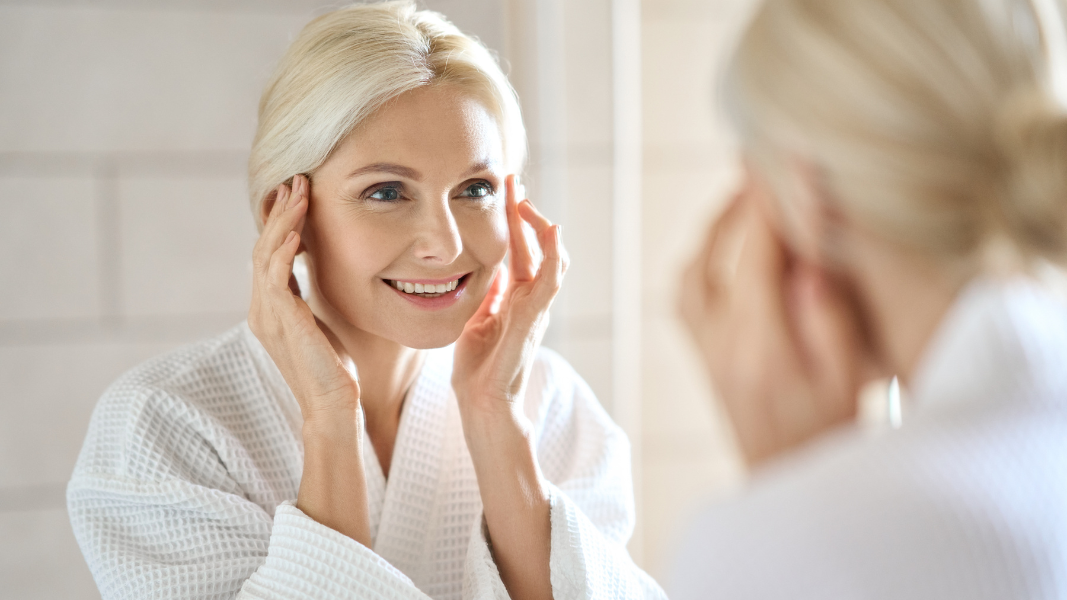
Does your skin feel tired, are fine lines becoming more noticeable, and do minor irritations take forever to go away? That’s because cell renewal slows down over the years. The good news: You can actively support skin regeneration and help your skin heal —with the right active ingredients, a well-thought-out skincare routine, and a healthy lifestyle.
In this article, you’ll learn how often the skin renews itself, what influences skin renewal, and how you can stimulate cell renewal so your skin looks fresh and radiant again.
How often does the skin renew itself?
One of the most common questions is: How often does the skin actually renew itself? The answer depends heavily on age. In young people, a complete renewal cycle takes about 28 days. During this time, new skin cells migrate from the lowest layer of the epidermis—the basal layer—up to the skin’s surface, where they are shed as dead keratinocytes.
The Skin Renewal Cycle at a Glance
- Under 25: The skin renews itself approximately every 21 to 28 days. Cell renewal is in full swing, wounds heal quickly, and the complexion looks fresh.
- Between the ages of 30 and 40: The cycle lengthens to 28 to 35 days. The first fine lines become visible because the skin regenerates more slowly.
- Ages 40 and up: Skin renewal can take 45 to 60 days or longer. The skin appears duller, pigment spots develop more easily, and elasticity decreases.
- Ages 50 and older: The renewal cycle slows further to 60 to 90 days. The skin becomes thinner, drier, and more prone to irritation.
This slowed-down process is a natural part of aging, but it can be actively influenced. If you understand how skin regeneration works, you can effectively support it with the right measures.

Stimulating Cell Renewal: Active Ingredients and Methods That Really Help
Stimulating cell renewal —it may sound complicated, but it’s absolutely achievable with the right active ingredients and habits. There are proven ingredients that are scientifically shown to accelerate cell division in the skin and promote skin regeneration.
Retinol—the gold standard for cell renewal
Retinol (vitamin A) is one of the most extensively studied active ingredients when it comes to stimulating cell renewal. It penetrates the deeper layers of the skin and stimulates the formation of new cells there. At the same time, retinol boosts collagen production, which leads to firmer skin and fewer wrinkles.
Important: Start with a low concentration and increase it gradually so your skin can adjust. Apply it in the evening and always wear sunscreen during the day.
AHAs and BHAs – Gentle Exfoliation for Skin Renewal
Alpha hydroxy acids (AHAs), such as glycolic acid and lactic acid, as well as beta hydroxy acid (BHA, salicylic acid), break down the bonds between dead skin cells. This gently exfoliates the outermost layer of skin, revealing the fresh cells underneath. The result: skin renewal is accelerated, and the complexion immediately appears more even.
Vitamin C – Protection and Renewal in One
Vitamin C is a powerful antioxidant that neutralizes free radicals while supporting collagen synthesis. It helps the skin regenerate more quickly and protects it from environmentally induced aging. In addition, vitamin C can lighten pigment spots and promote a more even skin tone.
Hyaluronic Acid – Hydration for Skin Regeneration
Hyaluronic acid can bind up to 1,000 times its own weight in water. It deeply hydrates the skin, creating optimal conditions for cell renewal. After all, only well-hydrated skin can regenerate efficiently. Look for products with different molecular weights—low-molecular-weight hyaluronic acid penetrates deeper, while high-molecular-weight hyaluronic acid forms a protective film on the skin’s surface.
Niacinamide (Vitamin B3) – The All-Rounder
Niacinamide strengthens the skin barrier, regulates sebum production, and supports skin renewal. It’s well-tolerated and can be combined with almost any other active ingredient—ideal if you want to gently but effectively regenerate your skin.

Supporting Skin Regeneration as You Age
Starting at age 40, the skin changes noticeably. Skin regeneration slows down, collagen production decreases by about one percent annually, and the skin loses elasticity. However, with targeted measures, you can regenerate the skin and effectively support the natural renewal process.
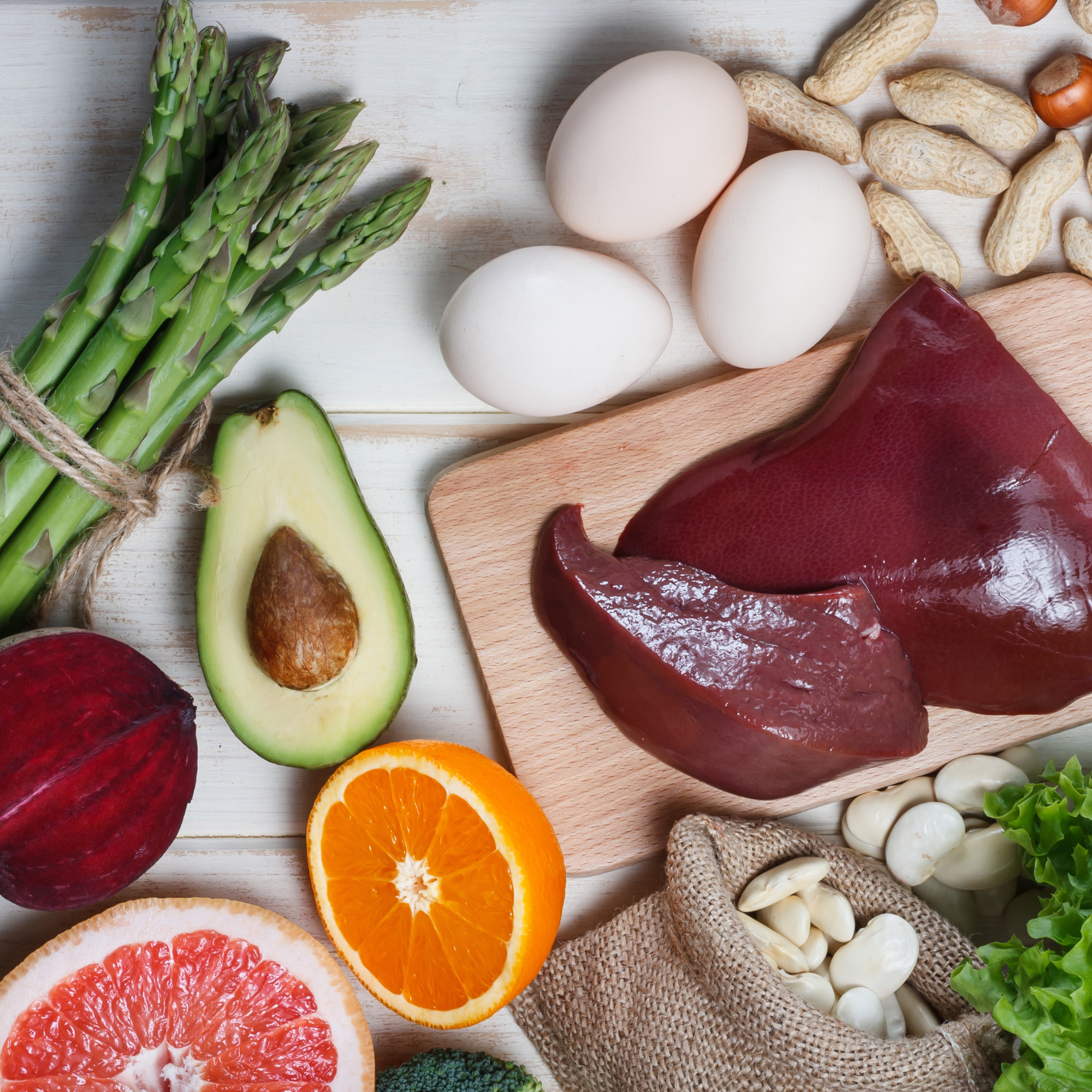
Nutrition: Stimulating Cell Renewal from the Inside
What you eat has a direct impact on how well your skin renews itself. These nutrients are particularly important for cell renewal:
- Vitamin C (citrus fruits, bell peppers, broccoli): Supports collagen production and protects cells from oxidative stress.
- Vitamin E (nuts, seeds, avocado): Protects cell membranes and promotes skin repair.
- Zinc (pumpkin seeds, legumes, whole grains): Essential for cell division and wound healing.
- Omega-3 fatty acids (fatty fish, flaxseed oil, walnuts): Keep the skin barrier intact and have anti-inflammatory effects.
- Antioxidants (berries, green tea, dark chocolate): Neutralize free radicals and slow down skin aging.
A varied diet rich in vegetables, fruits, and healthy fats provides your skin with exactly the building blocks it needs for effective skin regeneration.
Sleep: The Most Important Phase of Skin Renewal
At night—especially during deep sleep— skin renewal is in full swing. The body releases growth hormones that stimulate cell division. At the same time, cortisol levels drop, which further promotes regeneration.
Tips for restful, beauty-boosting sleep:
- Sleep at least 7 to 8 hours per night.
- Apply a rich night cream in the evening to support skin regeneration while you sleep.
- Use a silk pillowcase—it reduces friction and prevents wrinkles.
Sun Protection: Preventing Skin Aging
UV radiation is the biggest external enemy of cell renewal. It damages the DNA of skin cells, breaks down collagen, and drastically accelerates skin aging. Up to 80 percent of visible skin aging is caused by UV rays.
Therefore, apply a day cream with at least SPF 30 every day—even when it’s cloudy. In the summer and when exposed to direct sunlight, you should use SPF 50. This protects your skin from premature aging and gives it the chance to regenerate undisturbed.
Reduce Stress for Better Skin Regeneration
Chronic stress permanently raises cortisol levels. This slows down cell renewal, weakens the skin barrier, and can lead to breakouts, redness, and premature skin aging. Regular exercise, meditation, or simply taking mindful breaks throughout the day help lower stress levels—and thereby improve skin regeneration.
The Best Skincare for Skin Renewal
The right skincare routine is key if you want to regenerate your skin and support skin renewal in the long term. It’s not about using as many products as possible, but rather the right ones—tailored to your skin’s needs.
Morning Routine: Protection and Prevention
- Gentle cleansing: Use a mild cleanser that doesn’t dry out your skin. This removes overnight sebum and prepares your skin for your skincare routine.
- Vitamin C serum: Protects against free radicals during the day and supports cell renewal.
- Moisturizer with hyaluronic acid: Hydrates the skin and strengthens the skin barrier.
- Sunscreen (SPF 30+): The most important step to prevent UV damage from slowing down skin renewal.
Evening Routine: Regeneration and Renewal
- Thorough cleansing: Remove makeup, sunscreen, and dirt particles accumulated throughout the day. A cleansing oil or balm is ideal as the first step.
- Exfoliation (2–3 times a week): An AHA or BHA exfoliant removes dead skin cells and stimulates cell renewal.
- Retinol serum: Promotes cell growth and collagen production overnight.
- Rich Night Treatment: Nourishes the skin and supports skin regeneration while you sleep.
Anti-Aging Products: What to Look For
When choosing anti-aging products, the quality of the ingredients is crucial. Look for:
- Active ingredient concentrations: Products with proven effective concentrations (e.g., at least 0.3% retinol, 10–20% vitamin C).
- Packaging: Light- and airtight packaging protects sensitive active ingredients like retinol and vitamin C from breaking down.
- Skin tolerance: Choose products without fragrance and unnecessary additives, especially if you have sensitive skin.
- Sustainable skincare: Opt for products that support your skin’s regeneration over the long term, rather than those that offer short-term effects.

Home Remedies and Natural Ways to Regenerate Your Skin
In addition to professional skincare, there are also natural methods you can use to stimulate cell renewal and regenerate your skin:
- Facial massages: Gentle massages with a jade roller or gua sha stone promote blood circulation and help eliminate toxins. This improves the supply of nutrients to skin cells and stimulates skin renewal.
- Aloe vera: Contains polysaccharides and vitamins that promote wound healing and cell renewal. Apply fresh aloe vera gel as a soothing mask.
- Drink plenty of water: At least 1.5 to 2 liters per day keeps the skin hydrated from the inside and supports cellular metabolism.
- Contrast showers: Alternating between warm and cold water stimulates blood circulation and promotes skin regeneration.
- Regular exercise: Exercise improves blood circulation and supplies skin cells with more oxygen and nutrients—which noticeably boosts cell renewal.
Conclusion: Regenerate Your Skin—With Patience and the Right Strategy
Skin regeneration is a natural process that you can specifically support with the right measures. Whether you want to stimulate cell renewal, accelerate skin renewal, or simply regenerate your skin —it all comes down to a combination of effective skincare, a healthy diet, and a mindful lifestyle.
Remember: Visible results take time. Your skin doesn’t renew itself overnight, but rather over a cycle of several weeks. Stay patient, be consistent with your skincare routine, and give your skin the attention it deserves. With the right strategy, you’ll soon notice how your skin regains its freshness, elasticity, and radiance.