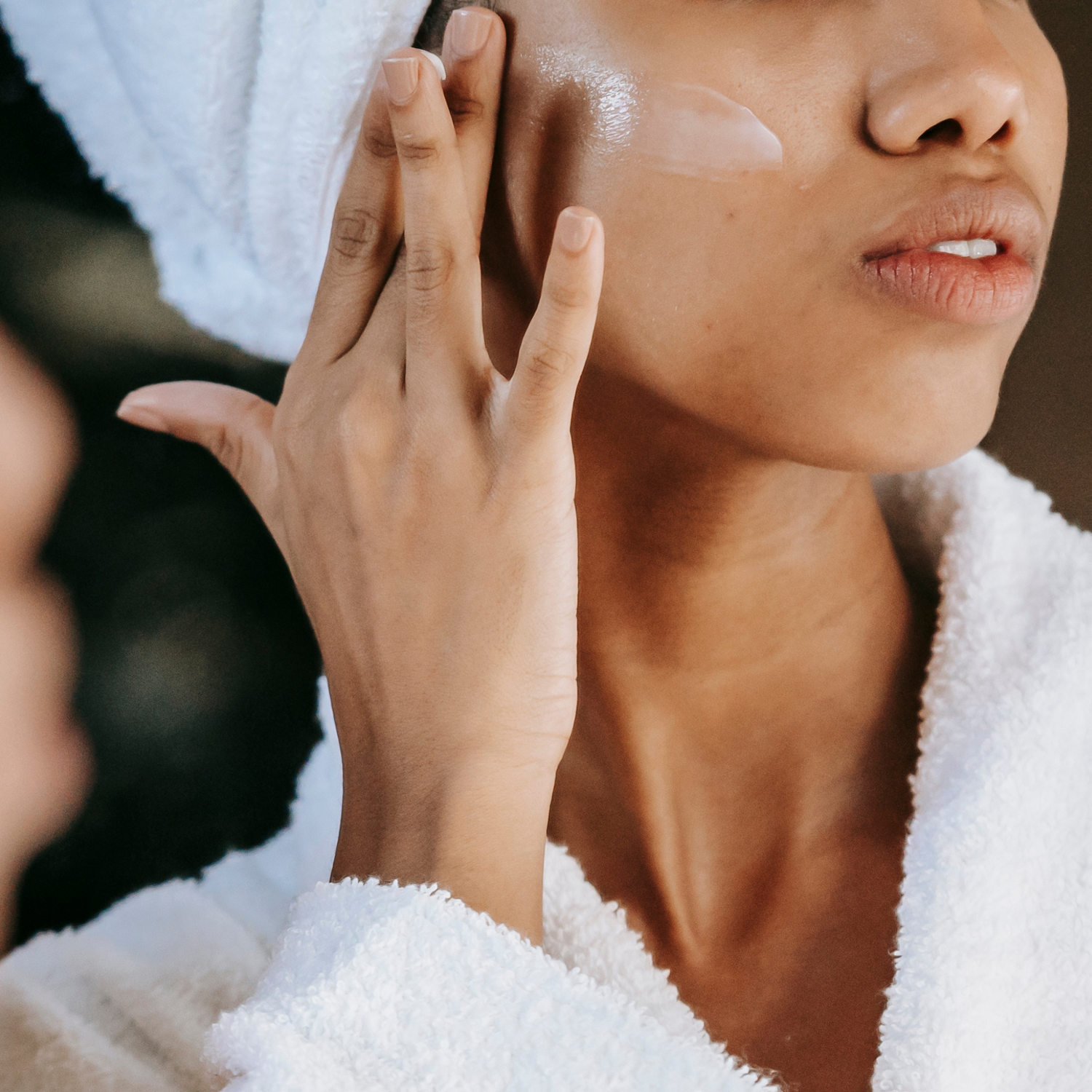
Dry skin, pimples, premature wrinkles, or a dull complexion – almost all skin problems can be traced back to a single, often underestimated factor: the skin's pH value. This tiny numerical value determines whether your skin's acid mantle remains intact or if your skin barrier slowly crumbles. But what is a pH value exactly? Which pH value is skin-neutral? And how do you manage to keep your skin's pH value permanently in the optimal range? That is exactly what you will find out in this comprehensive guide.
What is a pH Value? The Basics Explained Simply
Before we talk about the skin's pH value, let's clarify the question: What is a pH value anyway? The abbreviation pH stands for potentia Hydrogenii – i.e., the strength of hydrogen. The pH value measures the concentration of hydrogen ions in an aqueous solution and thus indicates whether it is acidic, neutral, or basic (alkaline).
The pH scale ranges from 0 to 14:
- pH 0 to 6.9 – acidic (e.g., lemon juice is around pH 2, vinegar at pH 3)
- pH 7 – neutral pH value (pure water)
- pH 7.1 to 14 – basic/alkaline (e.g., soap at pH 9-10, bleach at pH 13)
Important to understand: the pH scale is logarithmic. This means that a difference of just one unit represents a tenfold change in hydrogen ion concentration. The jump from pH 5 to pH 7 is therefore not marginal – it means a hundredfold shift. This is exactly why your skin reacts so sensitively to seemingly small pH fluctuations.
Body pH vs. Skin pH
Your blood keeps its pH value constant between 7.35 and 7.45 – i.e., slightly basic. Your stomach, in turn, works in a highly acidic way at pH 1 to 2. The skin surface, however, is deliberately slightly acidic: the skin's pH value is ideally between 4.5 and 5.5. This range is referred to as skin-neutral pH – even if it is in the acidic range on the general scale. This sounds contradictory, but it makes absolute biological sense, because exactly this slightly acidic value is the foundation of the acid mantle.
The Skin's Acid Mantle: Your Invisible Shield
The skin's acid mantle is a wafer-thin film on your skin surface consisting of sebum, sweat, dead skin cells, and beneficial microorganisms. It was first described in 1928 by dermatologist Heinrich Schade and his colleague Alfred Marchionini. Since then, research has unlocked more and more functions of this remarkable protective film.
Why Is the Acid Mantle So Important?
The acid mantle fulfills several vital tasks for your skin:
1. Protection against harmful microorganisms: The slightly acidic environment with a pH value around 5 creates conditions under which pathogenic bacteria, fungi, and viruses struggle to thrive. At the same time, this skin pH value promotes the growth of beneficial skin bacteria (skin microbiome), which serve as natural defense. If the pH becomes too alkaline, this balance shifts in favor of harmful germs.
2. Strengthening the skin barrier: The optimal pH value supports the formation of ceramides and other skin fats in the horny layer. These lipids act like mortar between skin cells and keep the barrier tight. An intact acid mantle ensures that moisture stays in the skin and pollutants stay out.
3. Control of enzymatic processes: Numerous enzymes involved in skin renewal, lipid synthesis, and desquamation only function in the slightly acidic range. If the pH value shifts, these enzymes no longer work correctly – the entire skin regeneration process stalls.
4. Antioxidant protection: The acid mantle contains antioxidant substances that scavenge free radicals. A stable pH value keeps this protective system active and thus slows down oxidative stress, which accelerates skin aging.

Neutral pH vs. Skin-Neutral pH: A Common Misunderstanding
Many confuse a neutral pH value (i.e., pH 7) with what skin-neutral pH means. These are two completely different things:
- A neutral pH value on the chemical scale is exactly 7.0 – neither acidic nor basic.
- Skin-neutral pH means the optimal range for the skin from 4.5 to 5.5 – i.e., clearly acidic.
If a skincare product says "skin-neutral pH", it should have a pH value around 5.5 – and not lie at 7. A product with a neutral pH value of 7 would already be too basic for your skin and would attack the acid mantle. So, pay close attention to this distinction when shopping next time.
What Happens When the Skin's pH Value Gets Out of Balance?
A disturbed skin's pH value rarely remains without consequences. Depending on whether the value is too high (alkaline) or too low (acidic), this manifests in different ways:
pH Value Too High (Above 5.5 – Shifted Alkaline)
- Dryness and feelings of tightness: The skin barrier loses its seal, moisture evaporates faster (transepidermal water loss increases).
- Increased sensitivity: Redness, burning, and itching occur more frequently because irritants penetrate more easily.
- Eczema and dermatitis: Studies show that people with atopic dermatitis have a significantly higher skin pH than those with healthy skin.
- Favored skin aging: Collagen-degrading enzymes (so-called matrix metalloproteinases) become more active at higher pH, while collagen-building processes are inhibited.
pH Value Too Low (Below 4 – Acidified)
- Irritation and inflammation: Highly acidic values can irritate the skin and trigger contact dermatitis.
- Disturbed microbiome: Even beneficial bacteria can no longer thrive optimally in an overly acidic environment.
- Over-treated skin: Excessive use of acid peels (AHA, BHA) can permanently push the pH too low.
Which Factors Influence Your Skin's pH Value?
There are numerous influences that can shift the skin's pH value – often without you noticing. If you know these factors, you can specifically counteract them.
Cleansing Habits
Conventional soaps have a pH value of 8 to 10. A single wash can neutralize the skin's acid mantle within seconds. The skin then needs up to six hours to restore its natural pH value. Those who wash with aggressive cleansers morning and night give the skin almost no recovery. Instead, set on mild, skin-neutral pH cleansers with a value between 4.8 and 5.5.
Water and Swimming Pools
Tap water has a pH value of 7 to 8, depending on the region. Chlorinated pool water is even between 7.2 and 7.8. Any contact with water shifts your skin's pH value in a basic direction. Those who wash their face several times a day unnecessarily strain the acid mantle.
Age and Hormones
With increasing age, sebum production decreases. Less sebum means fewer free fatty acids on the skin surface – the pH value rises. In women, the skin's pH value also fluctuates by up to 0.3 units due to the cycle. During menopause, it rises significantly again, which explains why mature skin is often drier and more sensitive.
Stress and Sleep Deprivation
Chronic stress increases cortisol levels. Cortisol inhibits the synthesis of important skin fats and weakens barrier function. At the same time, antioxidant defense mechanisms are throttled. The result: the skin's acid mantle becomes more permeable and susceptible.
Climate and Environmental Factors
UV radiation, cold, dry heated air, fine dust, and exhaust fumes – all these factors can oxidize lipids on the skin surface, alter sweat composition, and destabilize the skin's pH value. Especially in winter, when cold outdoor air and warm heated air alternate, the pH quickly gets out of balance.
Incorrect Skincare Products
Many creams, lotions, and serums are not optimally tuned to the skin's pH value. Products with strongly alkaline ingredients (e.g., certain clay masks or alkaline baths) shift the pH upward. Conversely, overly aggressive acid treatments can lower the value too much. In case of doubt, check the pH value of new products with a test strip.

How to Protect and Strengthen the Acid Mantle: Your Optimal Skincare Routine
With the right routine, you can specifically support your skin's pH value and strengthen the skin's acid mantle long-term.
Step 1: Gentle, pH-Optimized Cleansing
- Use exclusively mild, skin-neutral pH cleansers with a value around 5.5.
- Avoid classic soaps, heavily foaming wash gels, and cleansers with sulfates (SLS/SLES).
- Cleanse your face a maximum of twice daily – in the morning, clear water or a gentle micellar product is often enough.
- Pat your face gently dry after washing instead of rubbing.
Step 2: Toner for pH Regulation
- A slightly acidic toner (pH 4.5 to 5) helps quickly bring the pH value, raised by washing, back into the optimal range.
- Ideal ingredients are lactic acid, PHA (polyhydroxy acids), or fermented extracts that gently regulate without irritating.
- Apply the toner directly after cleansing to still slightly damp skin.
Step 3: Targeted Use of Active Ingredient Serums
- Serums with niacinamide (vitamin B3) strengthen the skin barrier and support ceramide production.
- Hyaluronic acid serums bind moisture and keep the skin's pH value stable.
- Vitamin C serums (ascorbic acid, pH approx. 3.5) have an antioxidant effect – but do not use them together with other acids to avoid over-irritation.
Step 4: Moisture and Lipid Care
- Creams with skin-like lipids (ceramides, cholesterol, fatty acids) repair and strengthen the barrier.
- Avoid products with high mineral oil content, as they can hinder natural skin metabolism.
- In winter, you may reach for richer textures to protect the acid mantle from cold and dry air.
Step 5: Don't Forget Sun Protection
UV radiation not only damages skin cells but also destabilizes the pH value. Daily sun protection with at least SPF 30 belongs in every routine – even in winter and on cloudy days.
How to Measure Your Skin's pH Value at Home
Do you want to know where your skin's pH value currently lies? You can check it yourself at home with simple means.
What You Need
Get pH indicator strips specifically designed for skin or cosmetic analysis. Ensure they cover the range from pH 4 to 7 and are graduated in 0.2 steps. Urine or pool test strips are too imprecise and often cover the wrong range.
Measure Correctly – How to Proceed
- Preparation in the evening: Leave out evening skincare and measure the next morning so no residue falsifies the measurement.
- Clean only with water: Wash your face with clear water and wait at least 30 minutes. The acid mantle needs this time to regenerate after contact with water.
- Keep hands clean: Wash your fingers thoroughly and dry them so that no soap residue falsifies the test strip.
- Perform measurement: Gently press the strip onto the cheek or T-zone for 3 to 5 seconds and immediately compare the color with the reference scale.
- Interpret result: If your value is between 4.5 and 5.5, everything is in the green zone. Values above 6 indicate an alkaline-shifted acid mantle. Values below 4 can indicate over-treated or inflamed skin.
Measure Multiple Times for Reliable Results
Repeat the measurement on three consecutive days and at different areas (cheek, forehead, forearm). If the value fluctuates strongly, you should check your cleansing routine, water hardness, or new products as the cause.
Digital Alternatives
Handy pH probes with glass electrodes are more accurate than test strips and reusable. Clean the probe with distilled water after each measurement and calibrate it regularly. Professional skin analyses with corneometer and pH-meter are offered by dermatologists and many cosmetic institutes.

Nutrition and Lifestyle: How Your Body Influences Skin pH
Even if the skin's pH value and the body's internal pH value are regulated separately, there are interactions. Your diet and lifestyle influence skin health and thus indirectly the acid mantle.
Foods That Support Your Acid Mantle
- Alkaline-rich diet (vegetables, herbs, high-quality water): Buffers systemic acids, reduces inflammation and oxidative stress – your acid mantle remains more robust.
- Fermented foods (yogurt, kefir, kimchi, sauerkraut): Provide lactic acid bacteria and strengthen the gut-skin axis. A healthy gut is reflected in healthy skin.
- Omega-3 fatty acids (flaxseeds, walnuts, fatty fish): Have anti-inflammatory effects, soothe sensitive skin, and help keep the optimal skin pH value stable.
- Antioxidants (berries, green tea, dark chocolate): Neutralize free radicals and protect the acid mantle from oxidative damage.
What You Should Avoid
- Sugar and highly processed foods: Promote glycation (sugar damage of collagen fibers) and chronic inflammation that destabilizes pH.
- Alcohol: Dehydrates skin from within, disturbs barrier function, and shifts pH into the alkaline range.
- Excessive caffeine: Can dry out skin in large quantities and weaken the acid mantle.
Lifestyle Tips for a Stable pH Value
- Sufficient sleep: While you sleep, your acid mantle regenerates most effectively. Seven to eight hours are ideal.
- Stress management: Meditation, exercise in fresh air, or breathing exercises lower cortisol levels and thus indirectly protect the pH value.
- Regular exercise: Moderate exercise promotes circulation and skin metabolism without straining the acid mantle.
Frequently Asked Questions About Skin pH
Which pH value is skin-neutral? A skin-neutral pH value is between 4.5 and 5.5. This is the optimal range in which the skin's acid mantle functions best. Don't confuse this with a neutral pH value of 7 – this would already be too basic for the skin.
Can I permanently change my skin's pH value? In the short term, the pH value is influenced by cleansing, skincare products, and environmental factors. Long-term, you can ensure your skin environment stabilizes through a consistently pH-optimized skincare routine and healthy lifestyle habits.
Is basic water good for the skin? No. Basic water (pH above 7) shifts the skin's pH value into the alkaline range and weakens the acid mantle. For drinking, it is harmless, as the body regulates internal pH itself – but skin reacts directly to contact.
How long does the acid mantle take to regenerate? After alkaline cleansing (e.g., with soap), the skin takes two to six hours, depending on age and skin condition, to restore its natural pH value. With regular disturbance, this regeneration time becomes longer and longer.
Conclusion: The pH Value – A Tiny Value with a Big Impact
The skin's pH value is not a trend and not a marketing buzzword, but a fundamental biological principle. If you understand what a pH value is and why the skin's acid mantle needs a slightly acidic pH between 4.5 and 5.5, you have the key to healthy, resilient skin in your hand.
Every cleansing, every skincare product, every environmental stimulus, and even your diet influences this sensitive value. The good news: with skin-neutral pH products, a well-thought-out routine, and a conscious lifestyle, you can actively strengthen your acid mantle – and your skin will thank you with a radiant, even complexion.
Start best today: check the pH value of your current cleanser, exchange aggressive products for mild alternatives, and give your skin the chance to build up its natural shield. Your acid mantle will thank you.