
You definitely know this: you look in the mirror in the morning and your T-zone shines as if you had dipped your face in oil. Oily skin is one of the most common skin problems – and at the same time one of the most misunderstood. Clogged pores, blemishes, and the constant reach for cosmetic tissues are everyday life for many affected individuals. But what to do against oily skin? In this guide, you will learn why your skin produces too much sebum, how to correctly recognize oily skin on the face, and which care really helps – from the best cream for oily skin to proven home remedies against shiny skin.
Oily Skin: Causes for Excessive Sebum Production
Before you ask yourself "What to do against oily skin?", you should understand why your skin produces so much sebum in the first place. Excessive sebum production rarely has just one cause – usually, several factors work together.
Overactive Sebaceous Glands and Genetic Predisposition
In every hair follicle sit sebaceous glands. In some people, these glands are genetically larger and more active, leading to significantly increased sebum production. If your parents or grandparents suffered from oily skin, the likelihood is high that you are prone to it too. Especially the T-zone – i.e., forehead, nose, and chin – is affected, as the sebaceous glands are most numerous here.
Hormonal Fluctuations as a Trigger
Hormones have an enormous influence on oily skin. Androgens like testosterone stimulate sebum production directly. This explains why oily skin on the face occurs particularly in the following life phases:
- Puberty: Hormonal change leads to oily skin and acne in teenagers.
- Menstrual cycle: Many women notice increased sebum production before their period.
- Stress hormones: Cortisol during stress phases promotes inflammation, clogs pores, and weakens the skin barrier.
- Pregnancy and menopause: Here too, hormonal changes play a role.
Environmental and Lifestyle Factors
Besides genetic and hormonal causes, external factors significantly influence your skin health:
- Climate and humidity: In hot, humid regions, your skin produces more sebum. In summer, shiny skin is therefore more common than in winter.
- Nutrition: High consumption of sugar, white flour, and dairy products can worsen symptoms of oily skin and blemishes.
- Incorrect skincare: Aggressive soaps, alcohol-containing facial toners, or washing too frequently destroy the skin barrier – and your skin reacts with even more sebum production. Most underestimate this rebound effect.

Recognizing Oily Skin on the Face: Do You Really Have Oily Skin?
Not every shiny skin is automatically oily skin. It is important to correctly estimate your skin type so you choose the right care. Here are the typical characteristics of oily skin on the face:
- Visible shine: Your face shines shortly after cleansing, especially in the T-zone.
- Enlarged pores: Oily skin often shows through clearly visible, enlarged pores on the nose and cheeks.
- Tendency to blemishes: Blackheads, pimples, and occasional inflammation are frequent companions.
- Make-up doesn't last well: Foundation and concealer slip quickly or become patchy.
- Skin feeling: Your face feels oily and heavy, especially in the afternoon.
Oily Skin vs. Combination Skin vs. Dehydrated Skin
Many confuse oily skin with combination skin or even dehydrated skin. With combination skin, only the T-zone shines, while the cheeks are normal to dry. With dehydrated skin, moisture is missing – the skin then produces more sebum as compensation, even though it actually needs water. If you are unsure, a professional skin analysis is worth it.
What to Do Against Oily Skin? The Best Strategies
Now it gets concrete: what really helps against oily skin? The good news is that with the right routine you can regulate your sebum production significantly – without drying out your skin.
The Right Facial Cleansing
Balanced cleansing is the foundation. It removes makeup, environmental dirt, and excess sebum without depriving your skin of the necessary moisture.
Double Cleansing – The Two-Phase Cleansing:
- Oil-based cleansing: A cleansing oil or oil balm gently dissolves makeup and sunscreen. Sounds counterintuitive for oily skin, but works excellently according to the principle "like dissolves like."
- Water-based cleanser: A mild gel or foam cleanser subsequently removes the last film of sebum. Pay attention to pH values around 5.5 to protect the natural skin barrier.
Morning and Evening – The Right Balance:
- Morning: Only a light water gel or gentle cleansing against night sweat. Over-cleansing in the morning provokes rebound shine.
- Evening: Double cleansing, followed by a targeted active ingredient serum.
Peels Against Oily Skin and Clogged Pores
Regular peels are particularly important for oily skin to remove dead skin cells and keep pores free:
- BHA (Salicylic Acid): The gold standard for oily skin. Salicylic acid is fat-soluble, therefore penetrates directly into the pores, and dissolves keratinization. Simultaneously, it acts anti-inflammatory against pimples.
- Enzyme Peels (Papain, Bromelain): A gentler alternative that dissolves dead skin flakes without mechanically irritating the skin surface.
- Important: Avoid coarse, mechanical peels with grains – they can cause micro-injuries and additionally kick-start sebum production.
The Right Care for Oily Skin
Many people with oily skin make the mistake of foregoing moisturizing care. This is counterproductive: if moisture is missing, your skin produces even more sebum because it needs water. The key lies in the right products.
Moisturizing Care Without Oil Film
- Hyaluronic Acid Serums: Bind large amounts of water in the skin and provide intensive moisture without leaving an oily film.
- Glycerin: A proven moisturizer that strengthens skin cells and supports the skin barrier.
- Panthenol (Provitamin B5): Soothes irritated skin and supports the regeneration of facial skin.
- Light Gel Textures: A cream for oily skin should be based on water, not oil. Gel creams and fluids are ideal.
Sebum-Regulating Active Ingredients
- Niacinamide (Vitamin B3, 2–5%): The all-rounder for oily skin. Niacinamide demonstrably reduces sebum flow, refines pores, acts antibacterially, and strengthens the skin barrier.
- Zinc-PCA: Regulates excessive sebum production and softens redness.
- Retinol: Promotes cell renewal and can reduce pore size long-term. Start low-dose and increase slowly.
Choosing the Right Cream for Oily Skin
When looking for a cream for oily skin, pay attention to the following characteristics:
- Oil-free formulation (often labeled as "oil-free" or "non-comedogenic")
- Light texture (gel, fluid, or light lotion instead of rich cream)
- Mattifying ingredients like silica or micro-powder particles
- No heavy silicones that can clog pores
Sun Protection for Oily Skin
Sun protection is mandatory – even for oily skin. Choose mineral or light, gel-like sunscreens with a mattifying effect. Many modern sun protection products are specially formulated for oily skin and leave no oily film.

Home Remedies Against Shiny Skin
Besides professional products, there are simple home remedies that you can use for shiny skin. They do not replace a daily care routine, but are a great addition – especially when your face shines again in between.
Healing Earth Mask Against Excessive Sebum Production
- Application: Mix 1 tsp green healing earth with some water or apple cider vinegar into a paste. Apply thinly to the T-zone or the entire face and let sit for 10 minutes.
- Effect: Healing earth binds excess sebum like a sponge, cleanses pores, and mattifies immediately. Use 1–2 times a week.
Chamomile-Cucumber Compresses
- Application: Let chamomile tea cool, soak a cotton cloth in it, and place on your face together with fresh cucumber slices.
- Effect: Cools the skin, acts anti-inflammatory and soothing. Perfect after a long day or for irritated, oily skin.
Witch Hazel as Natural Facial Toner
- Application: Put witch hazel water (Witch Hazel) on a cotton pad and gently dab the face – in between or after cleansing.
- Effect: Mattifies immediately, refreshes, and has slightly astringent properties. Look for alcohol-free variants to not dry out the skin.
Tea Tree Oil as an SOS Helper
- Application: Apply one drop of tea tree oil point-specifically to individual pimples.
- Effect: Acts antibacterially and can help inflammation subside faster. Never apply over large areas, as it can irritate the skin.
Nutrition and Lifestyle: What Helps Against Oily Skin from Within?
What to do against oily skin – apart from external care? Your nutrition and lifestyle have a greater influence on your skin health than you might think.
Anti-inflammatory Nutrition for Better Skin
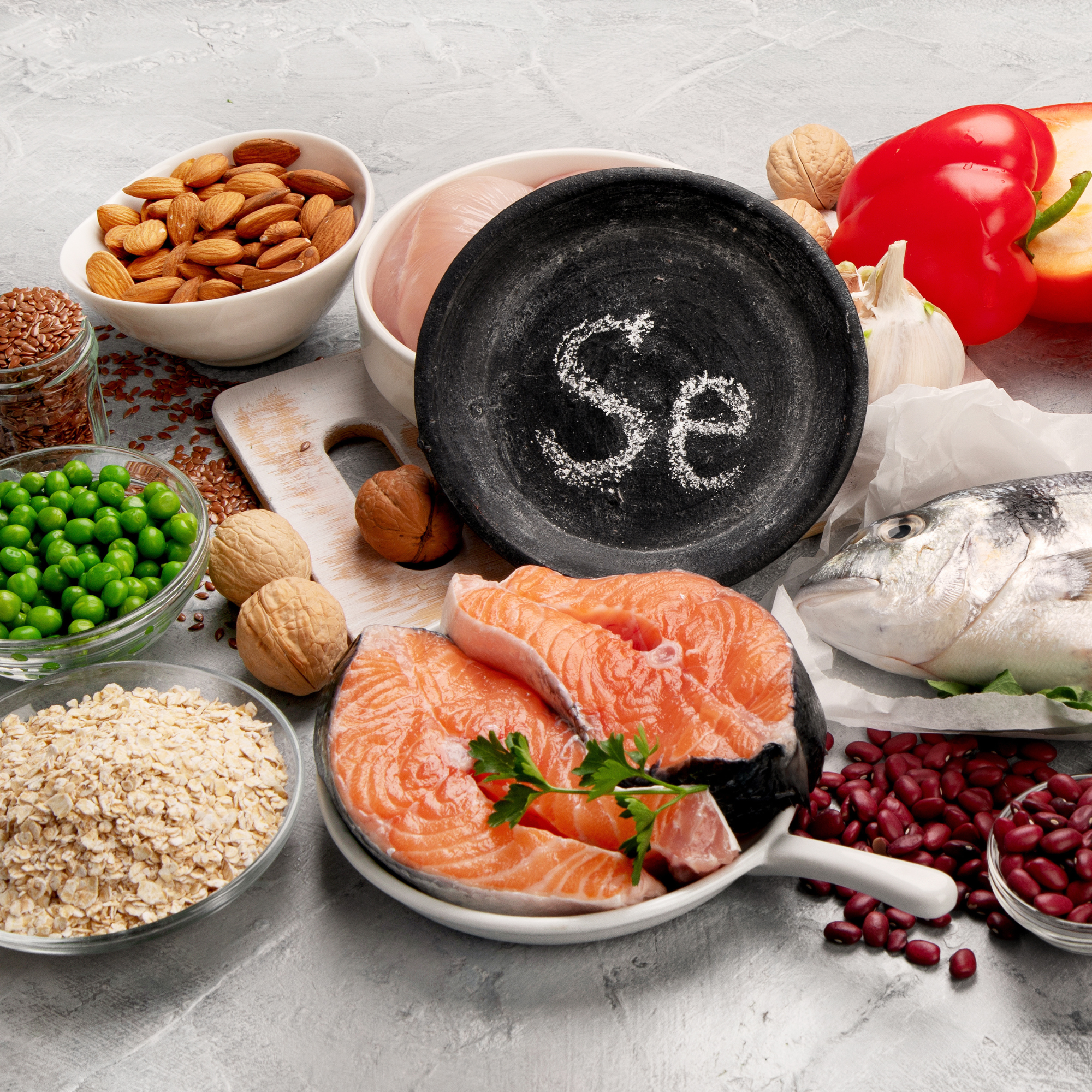
- Omega-3 fatty acids (salmon, walnuts, flaxseeds): Dampen inflammatory processes in the skin and indirectly regulate sebum production.
- Antioxidants (berries, green vegetables, green tea): Protect against free radicals and support collagen formation for an even skin texture.
- Zinc (pumpkin seeds, oatmeal, legumes): Plays a key role in regulating sebaceous glands.
Foods You Should Reduce
- Sugar and white flour: Foods with a high glycemic index make insulin levels rise – this can boost sebum production and favor skin blemishes.
- Dairy products: Can increase the IGF-1 level and thereby stimulate sebum production. Try reduction for a few weeks and observe if your oily skin on the face improves.
- Highly processed foods: Often contain inflammation-promoting ingredients.
Stress Management and Sleep
- Stress reduction: Regular breathing exercises, meditation, or yoga lower cortisol levels – and that directly benefits your skin.
- Sufficient sleep (7–8 hours): Your skin regenerates during deep sleep. Chronic lack of sleep quickly shows on a dull, oily complexion.
- Drink enough water: 1.5 to 2 liters daily support skin moisture from within and help flush out toxins.
Oily Skin What to Do: The Most Important Tips at a Glance
Here are the most important recommendations summarized if you ask yourself "Oily skin what to do?":
- Cleanse your face gently – morning and evening, without aggressive products.
- Do not forgo moisture – use oil-free, light textures.
- Rely on niacinamide and BHA – the most effective active ingredients against oily skin.
- Choose the right cream for oily skin – non-comedogenic and mattifying.
- Integrate home remedies – healing earth masks and witch hazel as supplement.
- Pay attention to your nutrition – less sugar, more omega-3 and zinc.
- Manage your stress – your skin is a mirror of your internal balance.
- Always wear sun protection – indispensable even with oily skin.
With the right combination of care, nutrition, and lifestyle, you can get your excessive sebum production under control and help your skin to a healthy, natural glow skin – completely without unwanted shine. Your skin will thank you!